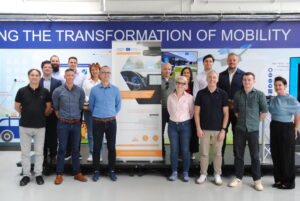
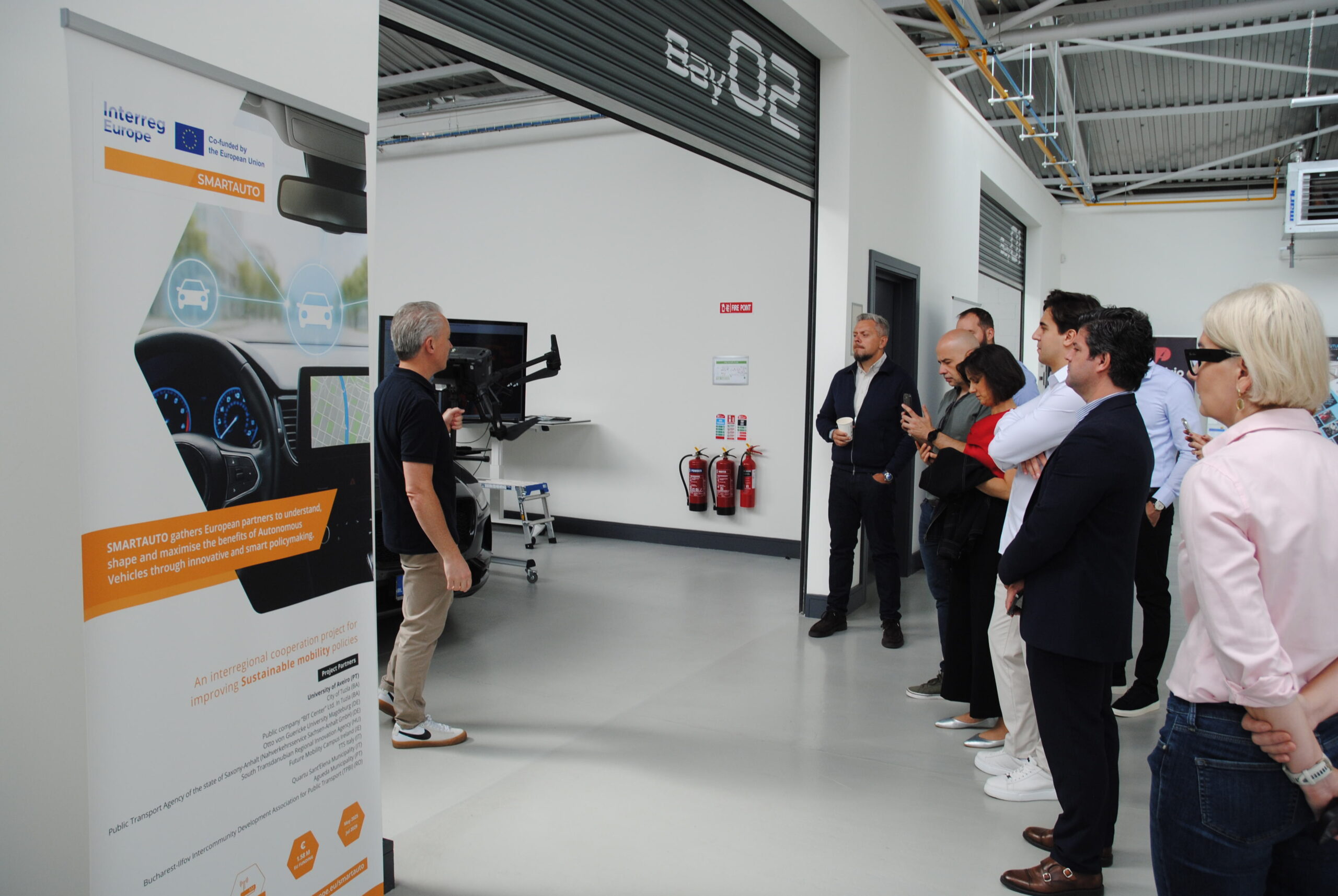
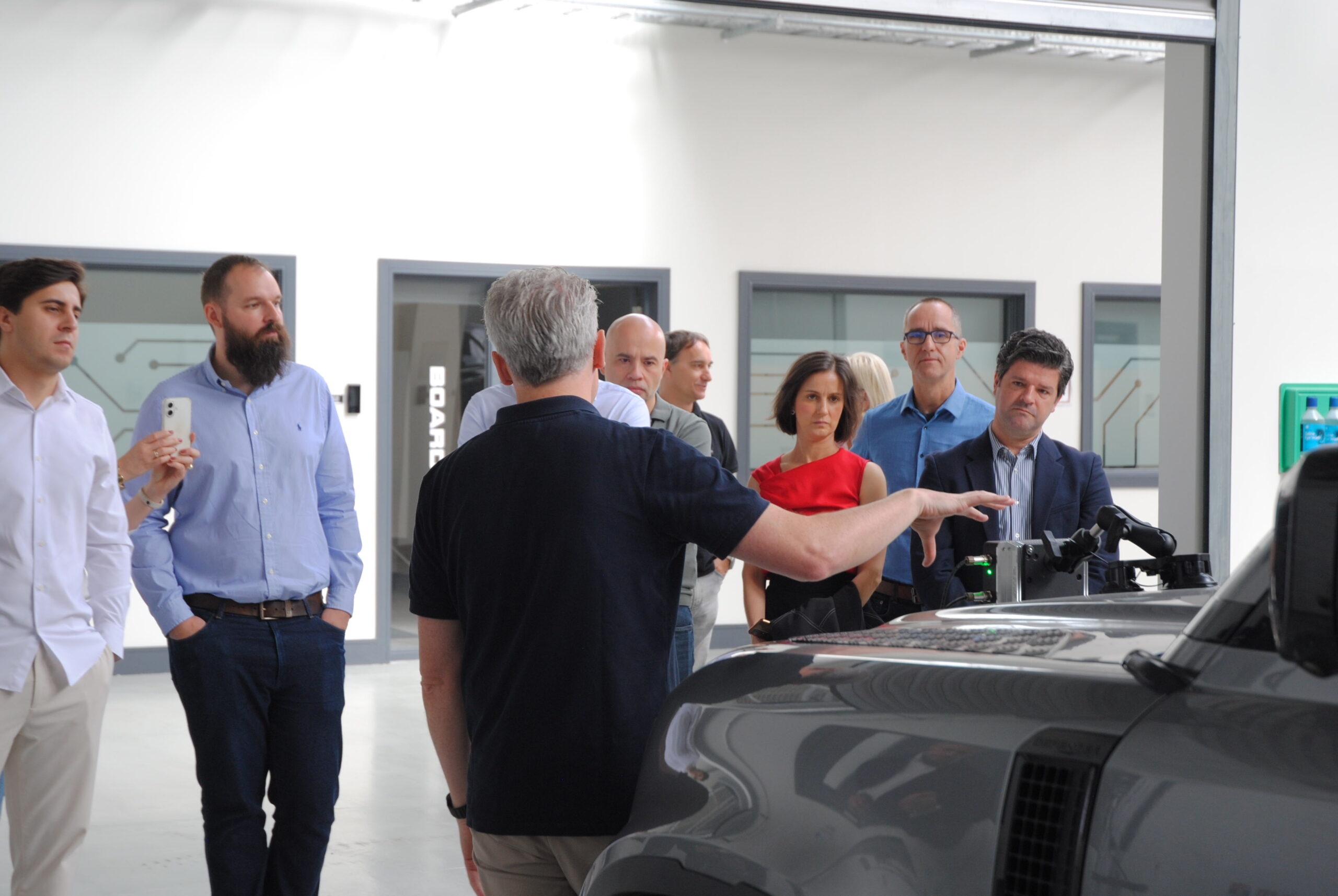
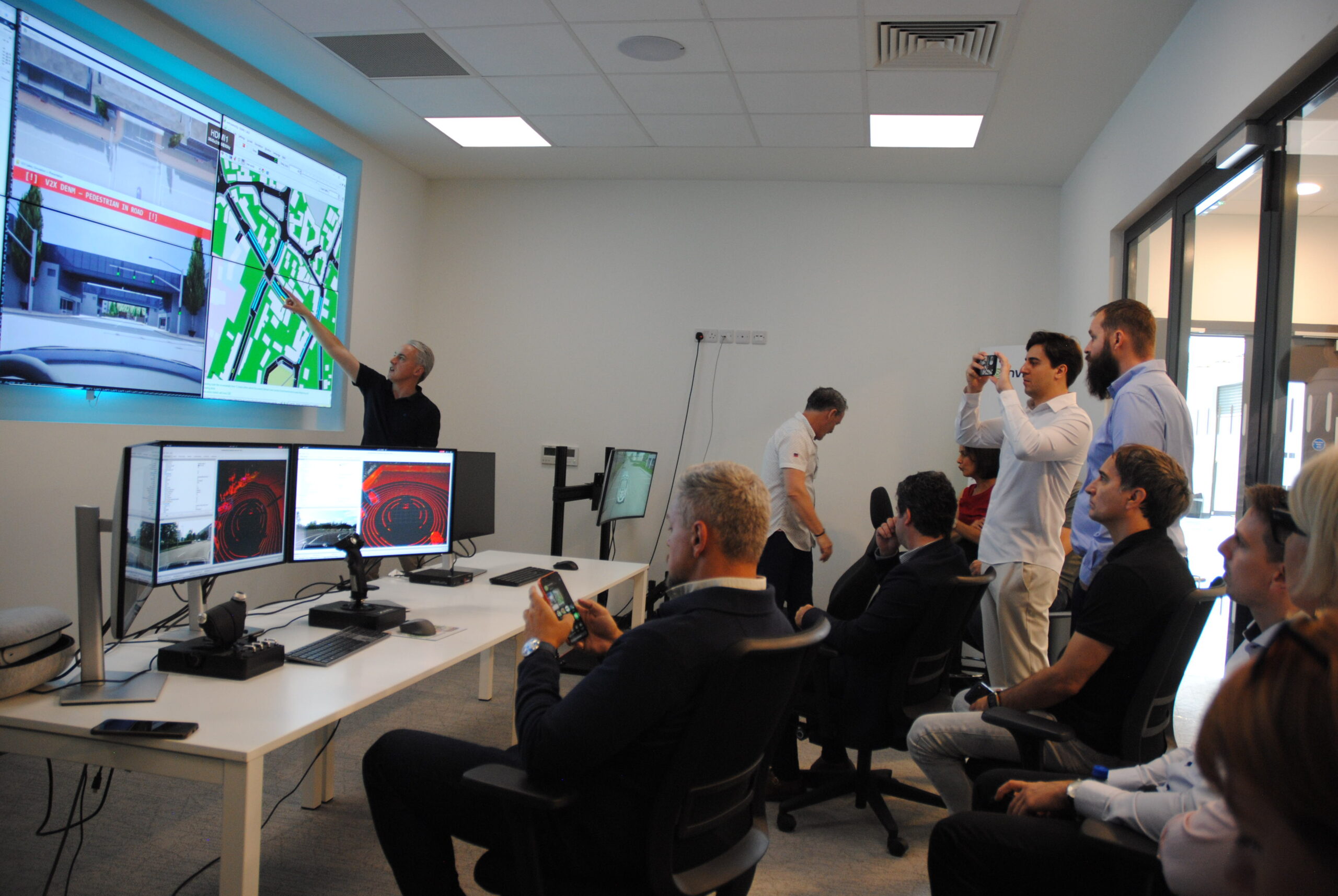
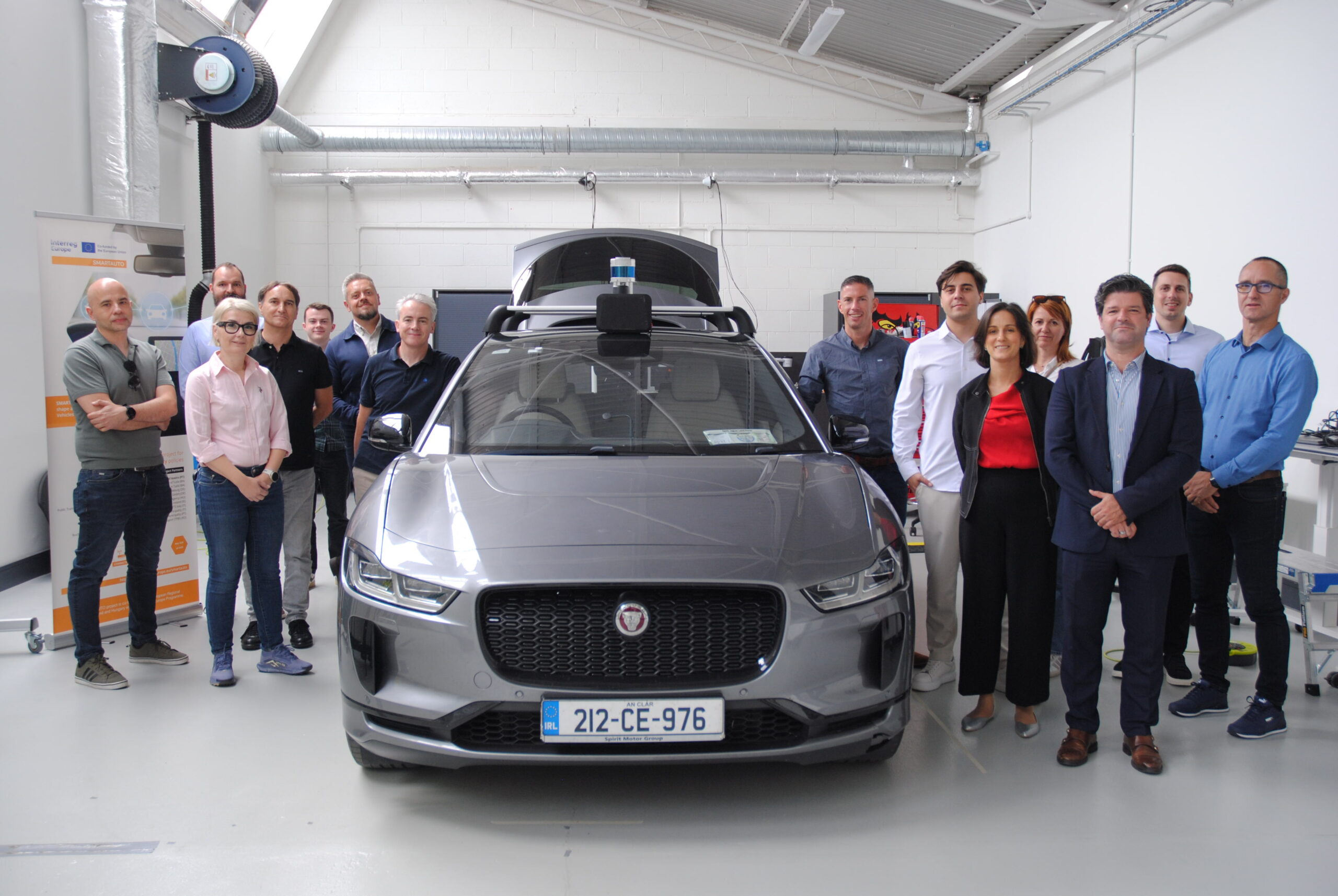
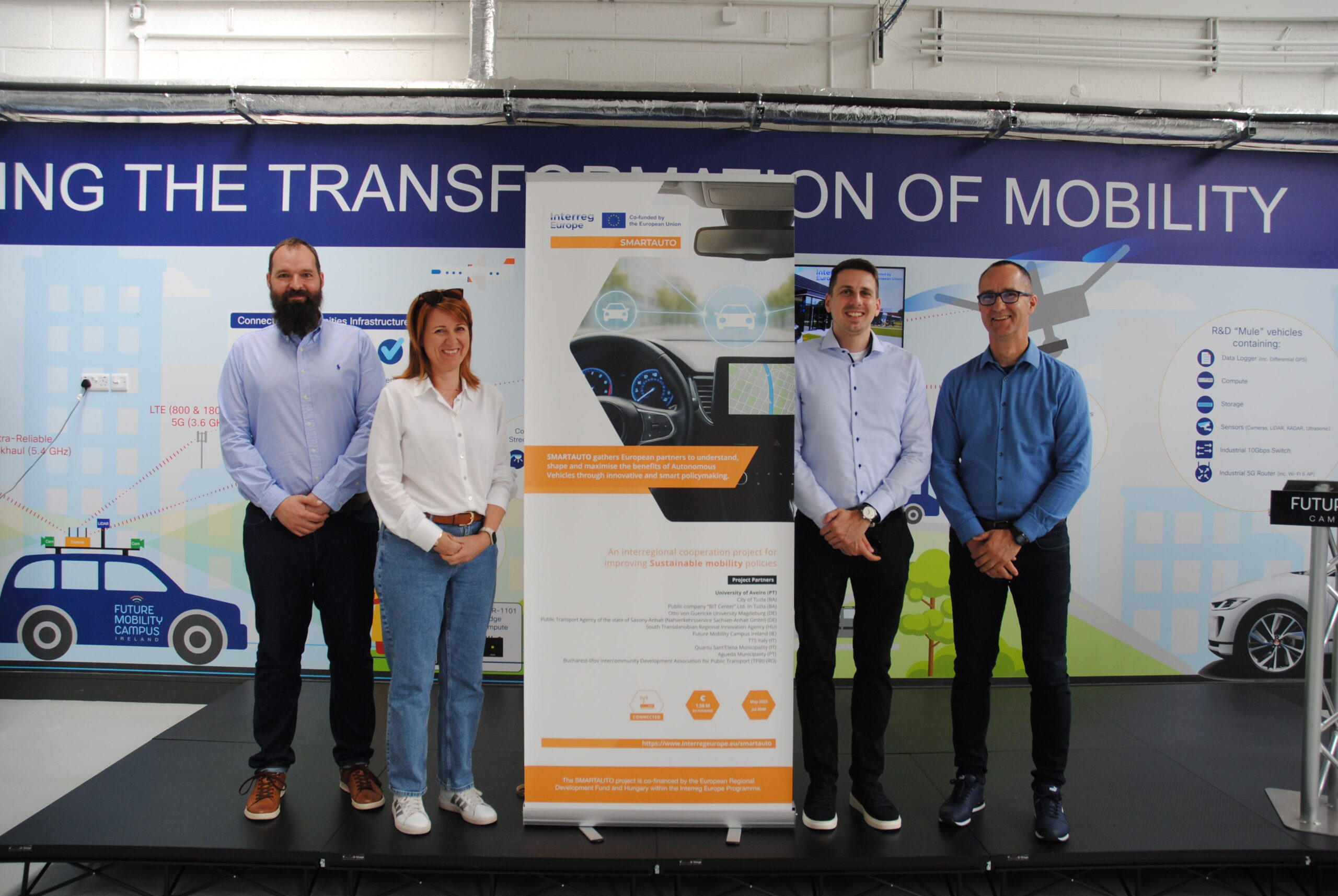
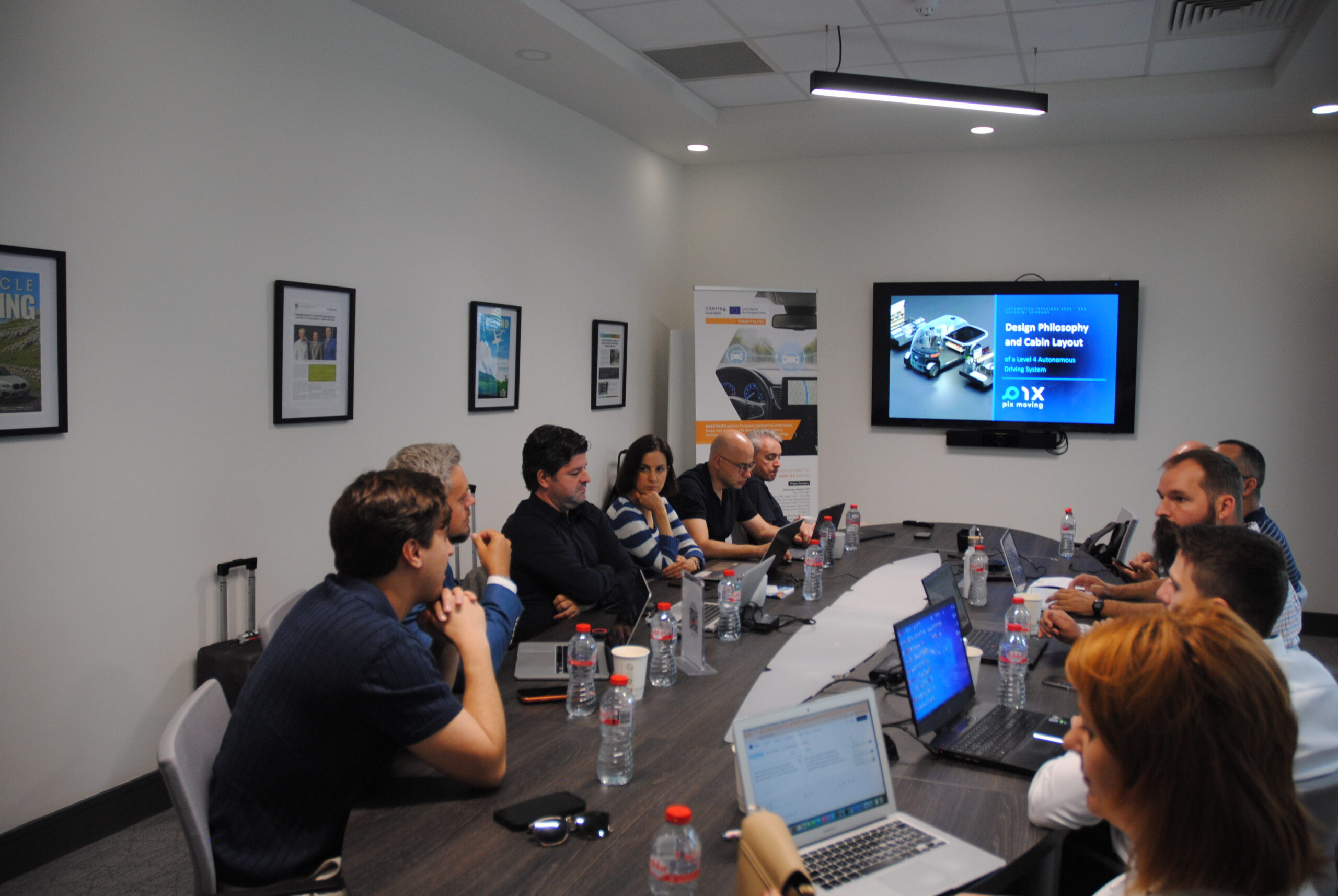
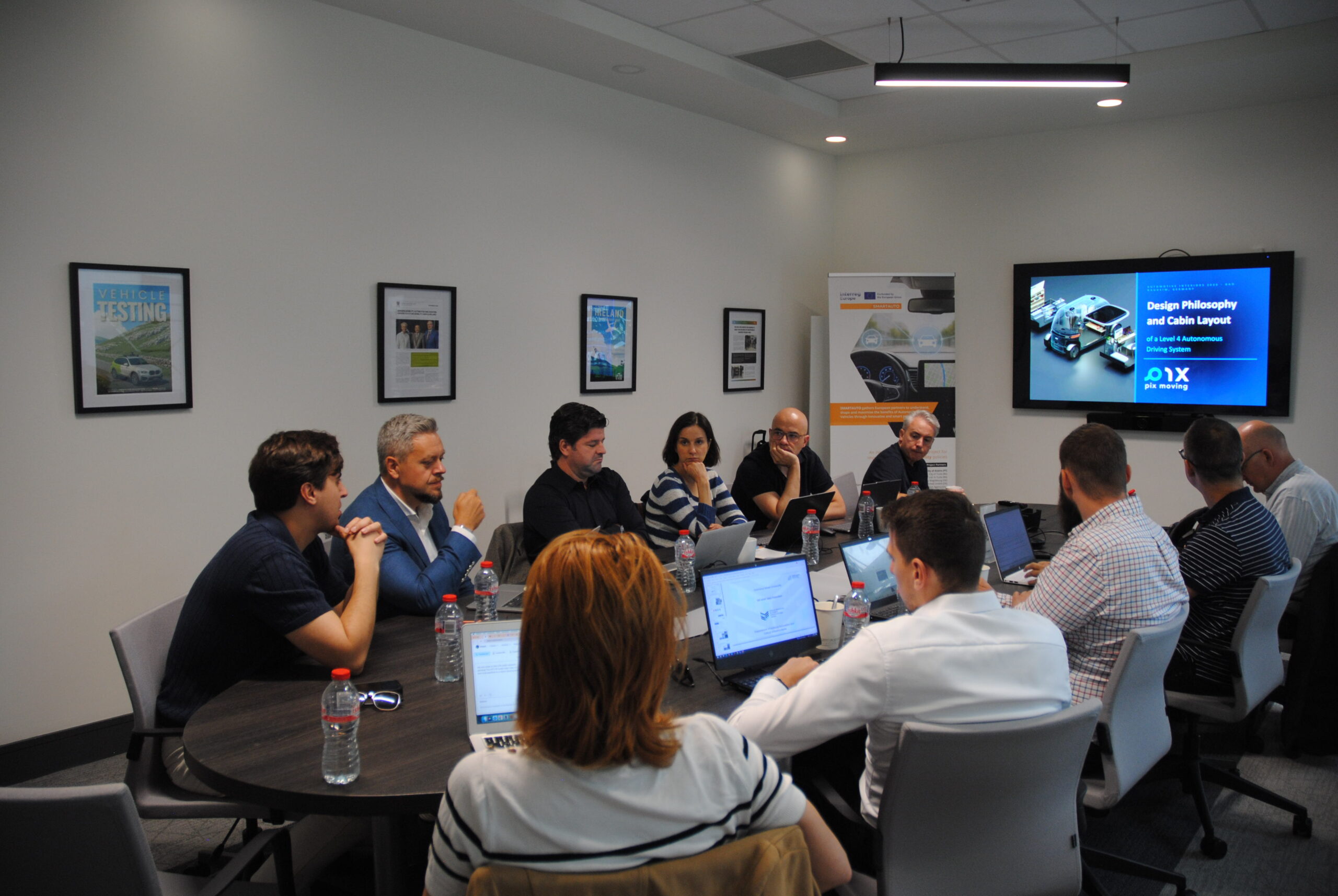
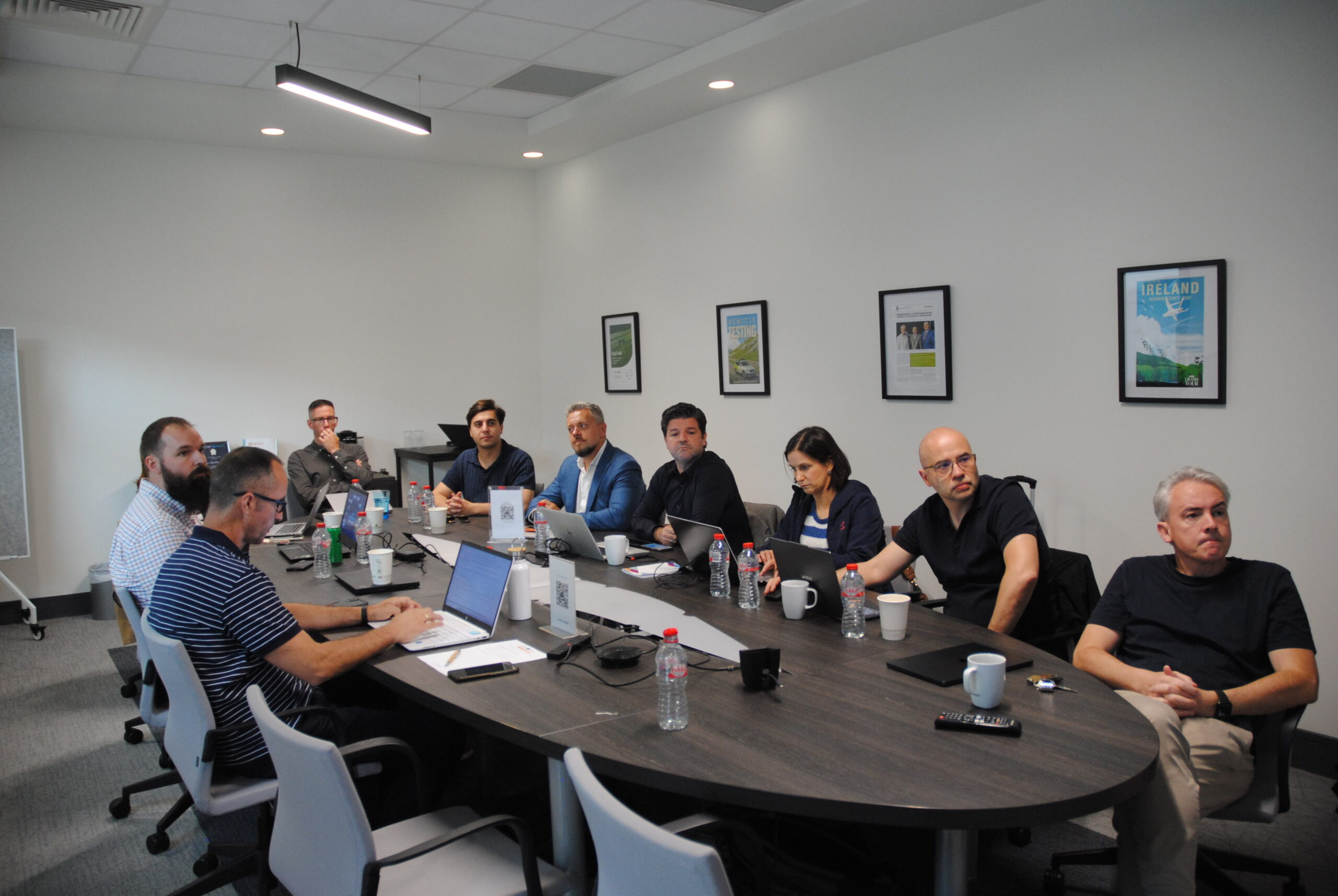
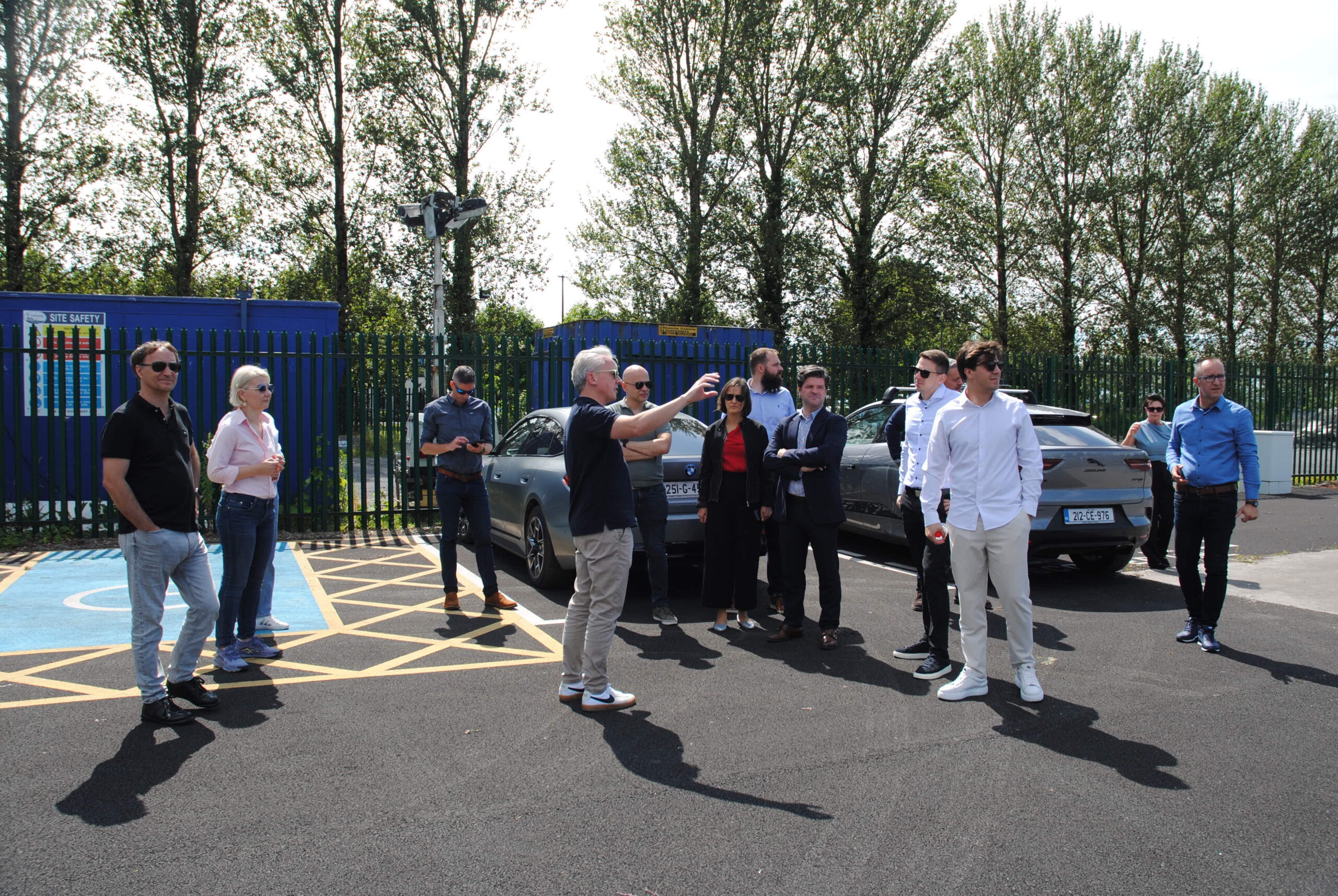
The first SMARTAUTO staff exchanged took place on 8-9 July 2026 in Shannon, County Clare, Ireland. The event was organised by Future Mobility Campus Ireland (in short: FMCI, https://fmci.ie/), Advisory Partner of the SMARTAUTO project. FMCI pioneers advanced land mobility solutions, with enhanced focus of automation. Therefore, it was a perfect location for hands-on, peer-to-peer learning that enabled regional policy makers, project teams, and stakeholders to share best practices, test local solutions, and build networks across different European countries.
FMCI brings a unique combination of competences and experience to the SMARTAUTO project:
- real-world testing and validation: FMCI’s state-of-the-art testbed facilities provide a unique environment for exploring the impacts of new technologies in real-world scenarios,
- collaborative ecosystem: FMCI fosters a collaborative ecosystem that brings together diverse stakeholders, including technology companies, researchers, and policymakers. This ecosystem facilitates knowledge sharing, innovation, and the development of comprehensive solutions for smart vehicles and automated vehicles (AVs),
- national facilitation and stakeholder engagement: FMCI leverages its position as a national facilitator to engage stakeholders in discussions on the current and future status of connected and AV policies. This ensures that the SMARTAUTO project aligns with regional and national priorities and regulatory frameworks, facilitating a smoother transition to widespread adoption,
- expertise in connected, autonomous, shared, and electric (CASE) vehicles: FMCI’s expertise in CASE vehicles ensures that the SMARTAUTO project benefits from the latest advancements in this rapidly evolving field, and
- commitment to sustainability: FMCI’s dedication to sustainable transportation aligns with the SMARTAUTO project’s goals of reducing emissions and improving energy efficiency.
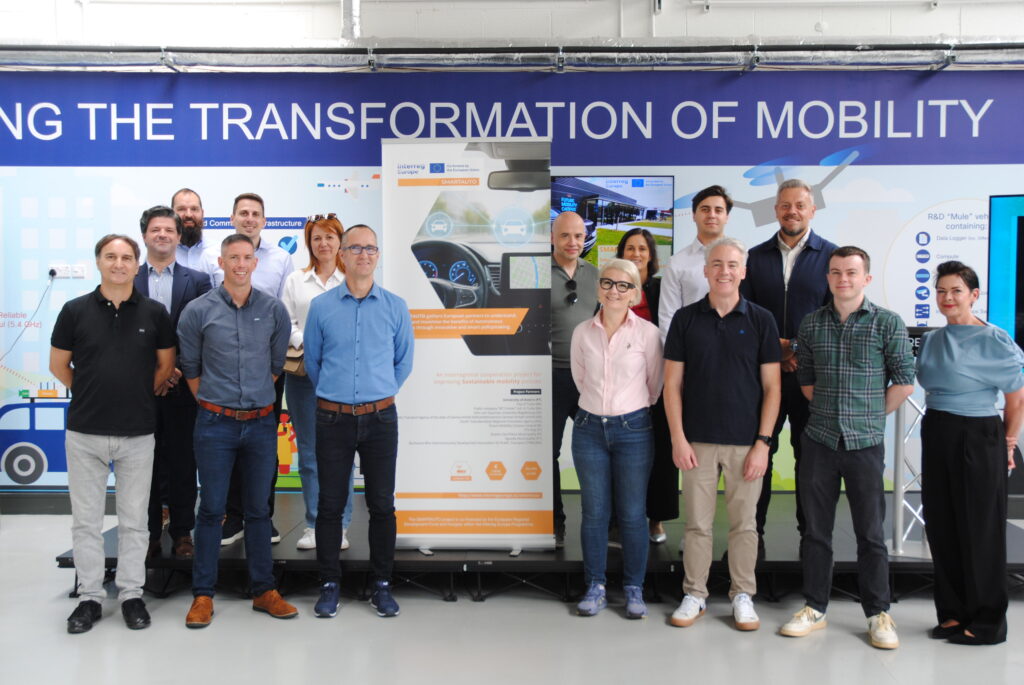
The first day of the staff exchange was dedicated to hands-on solutions:
- provided an overview of FMCI, from its inception as a mobility innovation hub to the work they carry out day to day,
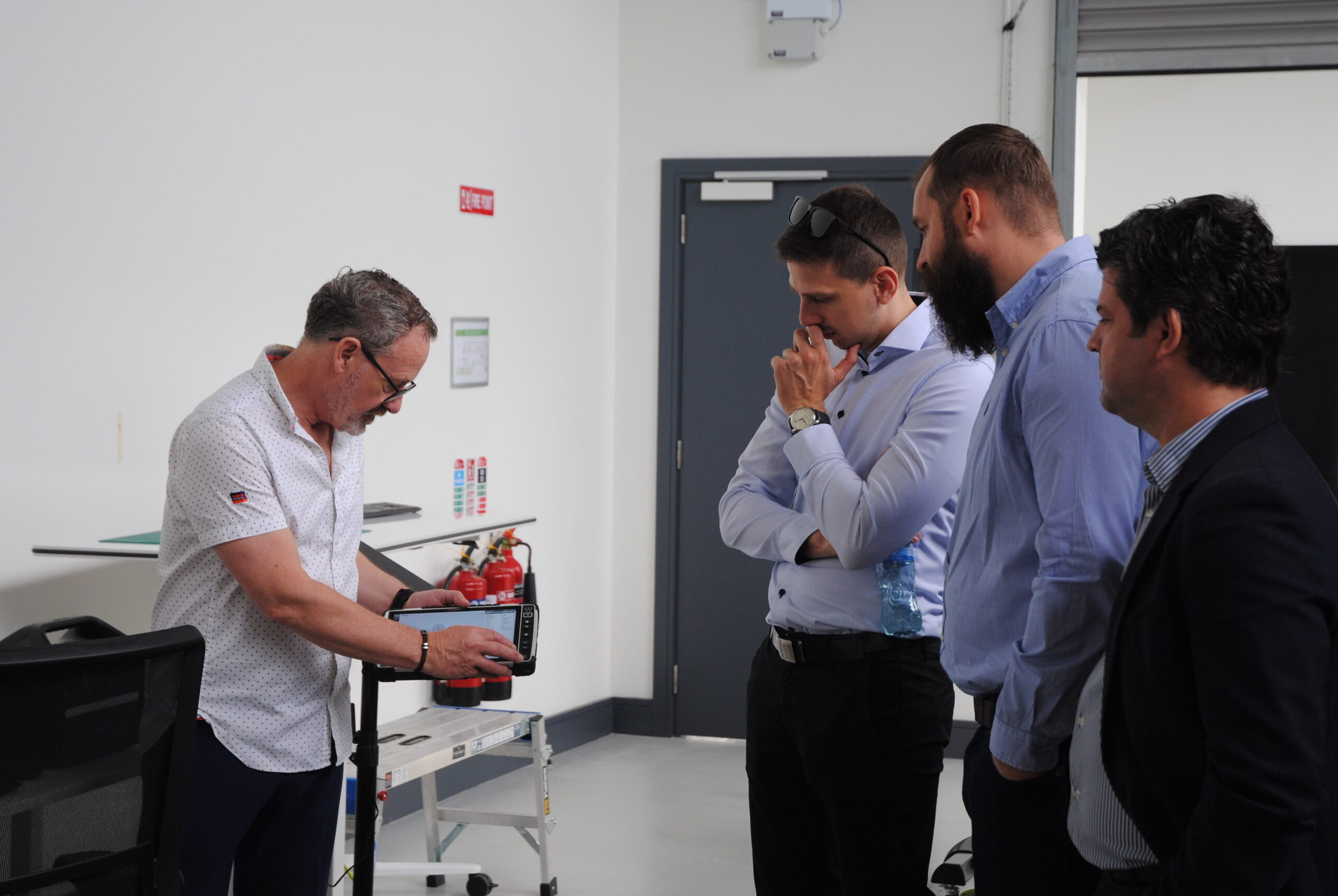
- showcased demonstrations of Vehicle to Everyhing (V2X), object recognition, data capture vehicles, and simulation technologies in FMCI workshop bays and control centre,
- provided an introduction to Provizio (Irish automotive radar company dealing with software defined radar & AI perception, Provizio), showcasing their 5D perception radars in action through demo drives and illustrate how FMCI staff and facilities supports such mobility innovators,
- conducted a tour to the Jaguar and Land Rover (in short: JLR: JLR) software development headquarter and vehicle workshops in Shannon,
- paid a visit to FMCI’s drone port (vertiport), and FMCI demonstrations on autonomous emergency braking systems on its proving ground.
The professional exchange of the first day was followed by a cultural program at Bunratty folk park with a tour, and was closed by a medieval banquet at Bunratty Castle.
We would like to thank the FMCI staff and experts for the useful, practice-oriented program and the kind hospitality!
 The participation of the South Transdanubia Regional Innovation Agency in the SMARTAUTO Interreg Europe project is co-financed by the European Regional Development Fund and Hungary.