The third in-person project meeting of the GreetGEO project took place on 17–19 March 2026 in Ponta Delgada, organised by the INOVA Institute. The meeting was held in the 17th month of the project, the partnership was focusing on the preparation of policy proposals, value chain analyses, business cases and future I3 funding opportunities.
GreetGEO – Green transition with geothermal energy aims to strengthen the capacities of regional innovation ecosystems, in particular SMEs, in the field of geothermal energy use. Geographically, it focuses on less developed regions of the Pannonian Basin, as well as selected outermost regions, and supports the energy transition through deep and shallow geothermal pilot activities.
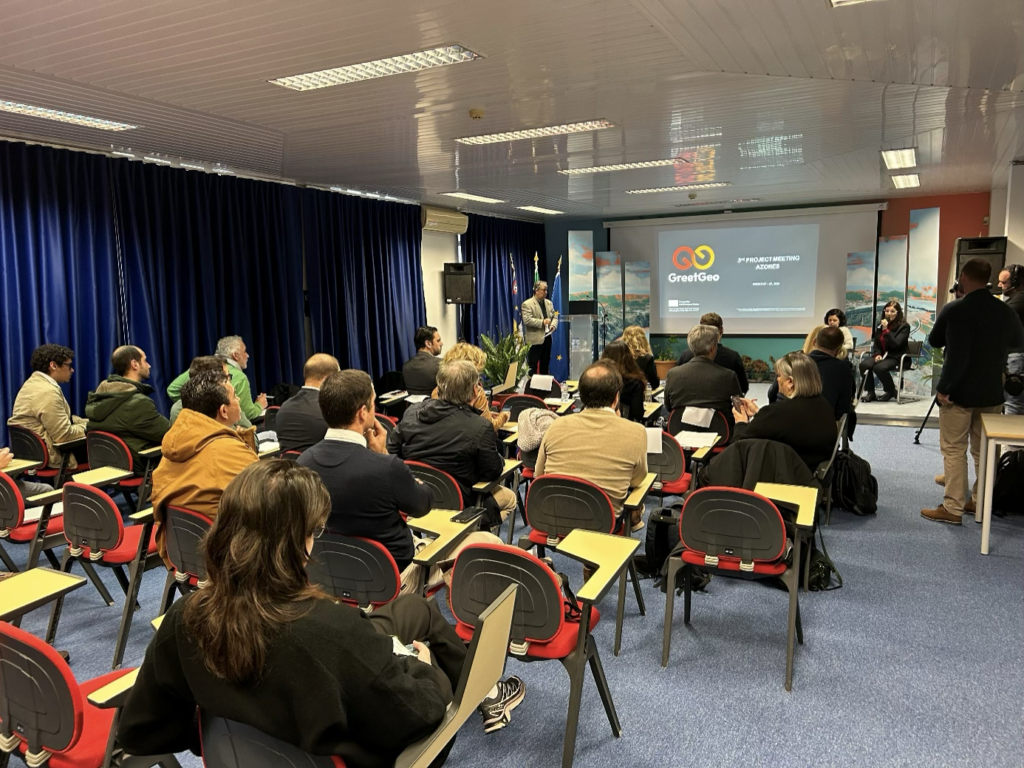
During the working meeting, the partners reviewed the status of current tasks and the schedule for the coming months. Within the project, the common stakeholder survey methodology and analysis, the analysis of EU synergies and the action plan have already been completed, among others. New innovation policy measures, value chain and innovation gap analyses, as well as business cases and S3-based roadmaps related to deep and shallow geothermal pilots are currently under development.
The professional part of the meeting paid particular attention to investment and business cases aligned with the logic of the I3 Instrument. The partners discussed how geothermal developments can be transformed into investment-ready models that can be applied in several European regions. One of the main tasks for the coming period will be to involve potential I3 consortium members, organise stakeholder meetings, and develop business cases that support the market application of geothermal energy and the strengthening of regional innovation ecosystems.
The field visit programme of the project meeting provided a particularly valuable professional background to the discussions. São Miguel Island is a living example of how geothermal energy can be used in several ways, building on local conditions. The participants visited the Pico Vermelho geothermal power plant in the Ribeira Grande area, operated by EDA Renováveis S.A.
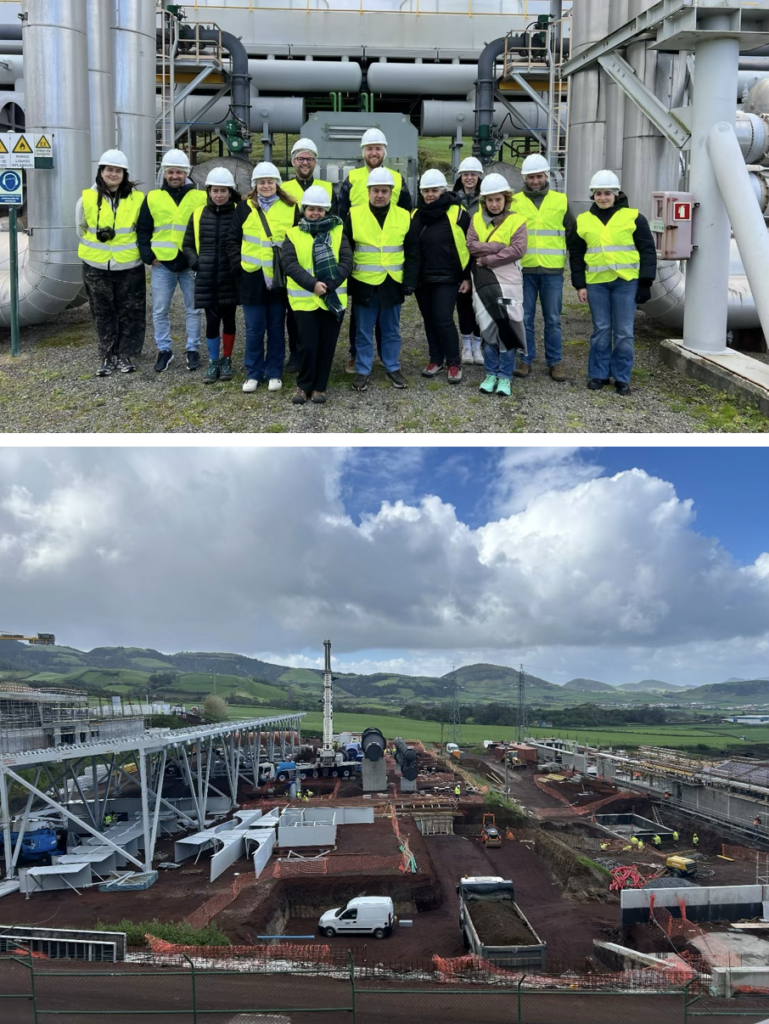
A EUR 24.5 million renovation project is being implemented at the power plant, including the commissioning of a new 5 MW generator unit. The new unit will replace the two existing 2.5 MW units that have been in operation since 1994. EDA Renováveis S.A. is the main renewable energy producer in the Azores, and the renewable energy it generates is fed into the islands’ isolated energy systems. Before the development, geothermal energy on São Miguel Island supplied up to 42% of electricity demand, a share that is expected to increase significantly as a result of the investment.
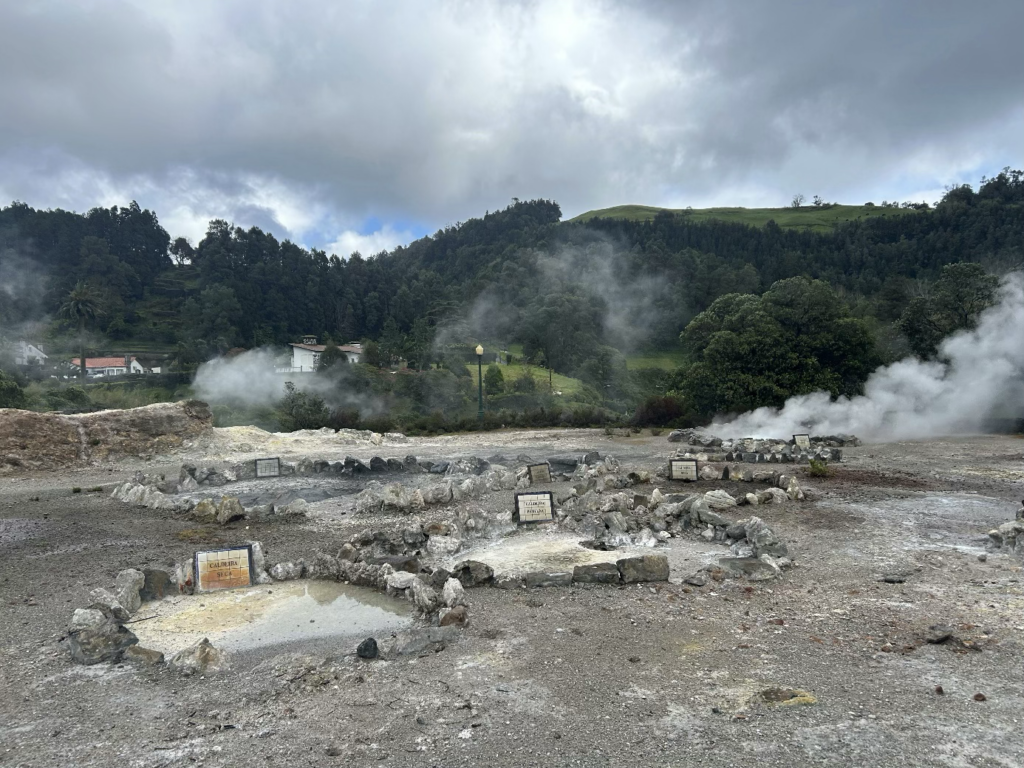
At the Caldeiras da Ribeira Grande thermal area, participants were introduced to the operation of thermal baths and a geothermal heat pump pilot project. This is particularly relevant for GreetGEO, as the project considers geothermal energy as an opportunity not limited to energy production, extending also to heating, cooling, building energy systems and local economic development applications. Heat pump solutions are also of particular importance for shallow geothermal pilots and the involvement of SMEs.
At the Caldeiras da Ribeira Grande thermal area, participants learned about the operation of the thermal baths and a geothermal heat pump pilot project, GeoAtlantic. The area is relevant from a geothermal perspective because it is located on São Miguel Island, in an active volcanic environment, where hot springs, fumaroles and thermal waters reaching the surface directly indicate the presence of deep heat flow.
This “geothermal hidden gem” in the Azores is a place where current volcanic activity can be clearly observed, and where thermal springs provide a visible surface expression of the local geological conditions. It is therefore also valuable as a demonstration and awareness-raising site. The Geothermal Interpretation Centre – Casa das Caldeiras specifically aims to present and promote geothermal energy in the Ribeira Grande area through interactive exhibitions.
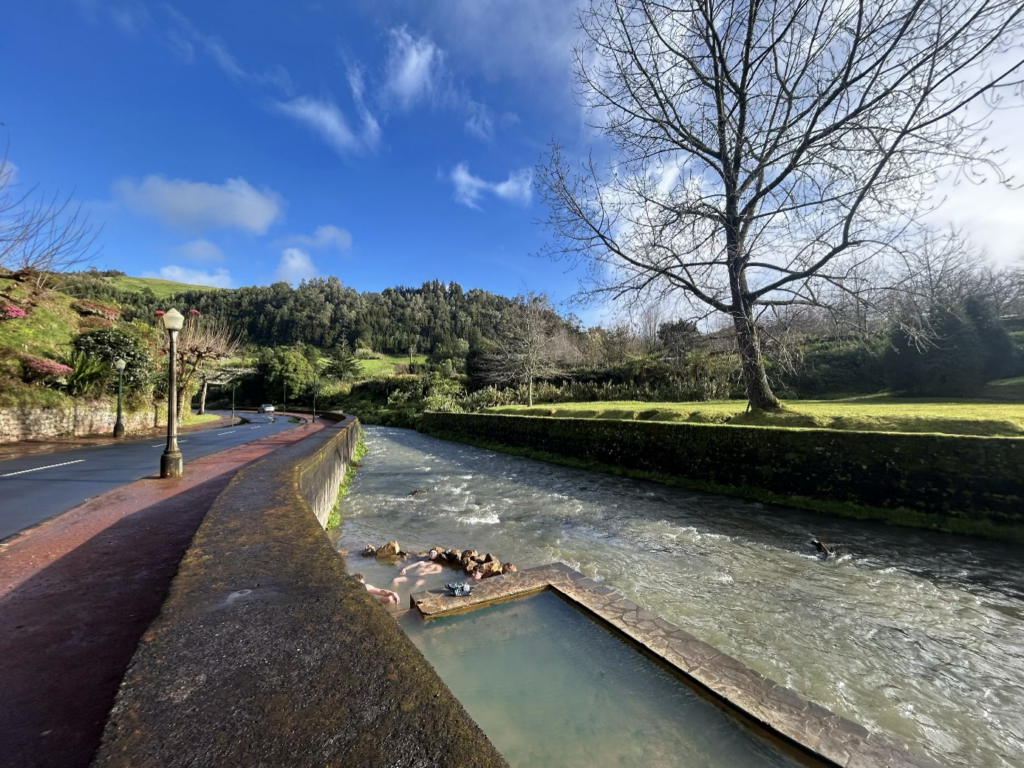
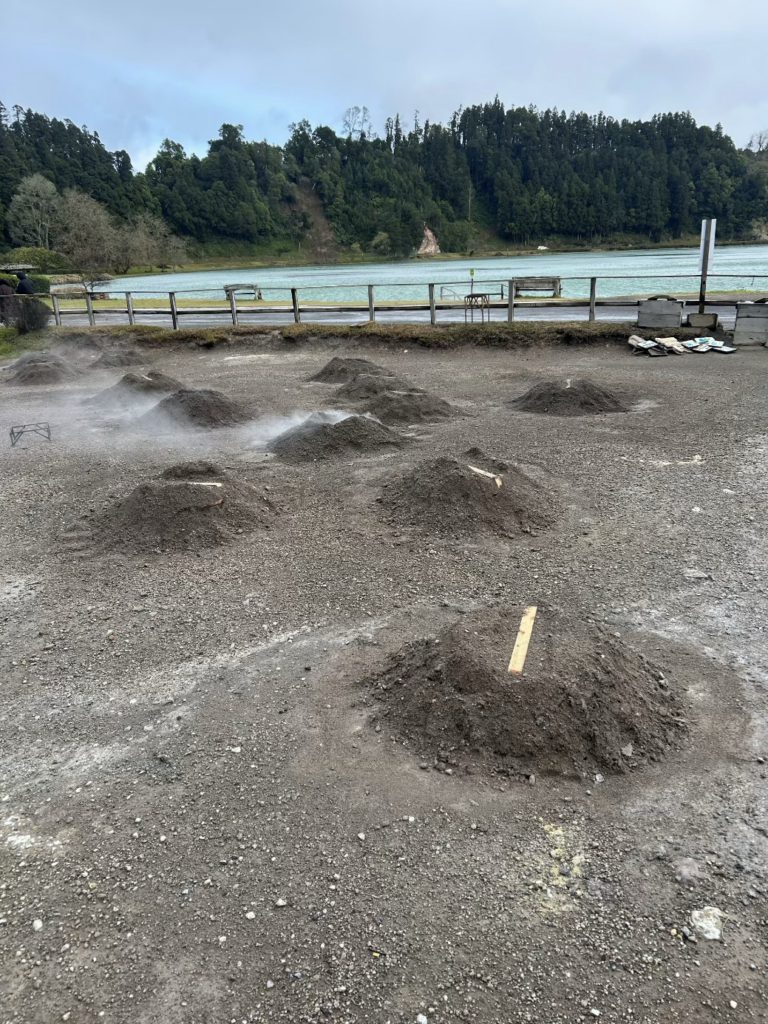
The Furnas volcano area also made visible the social, tourism-related and cultural embeddedness of geothermal energy. Participants gained insight into the preparation of the traditional local dish, Cozido das Furnas, using natural underground “ovens”, as well as the tourism-related use of thermal water by a local hotel.
The second day of the meeting focused on professional dialogue with local stakeholders, offering a direct opportunity for exchange with geothermal energy producers, industry associations, businesses, SMEs, regional and local authorities, and academic actors.
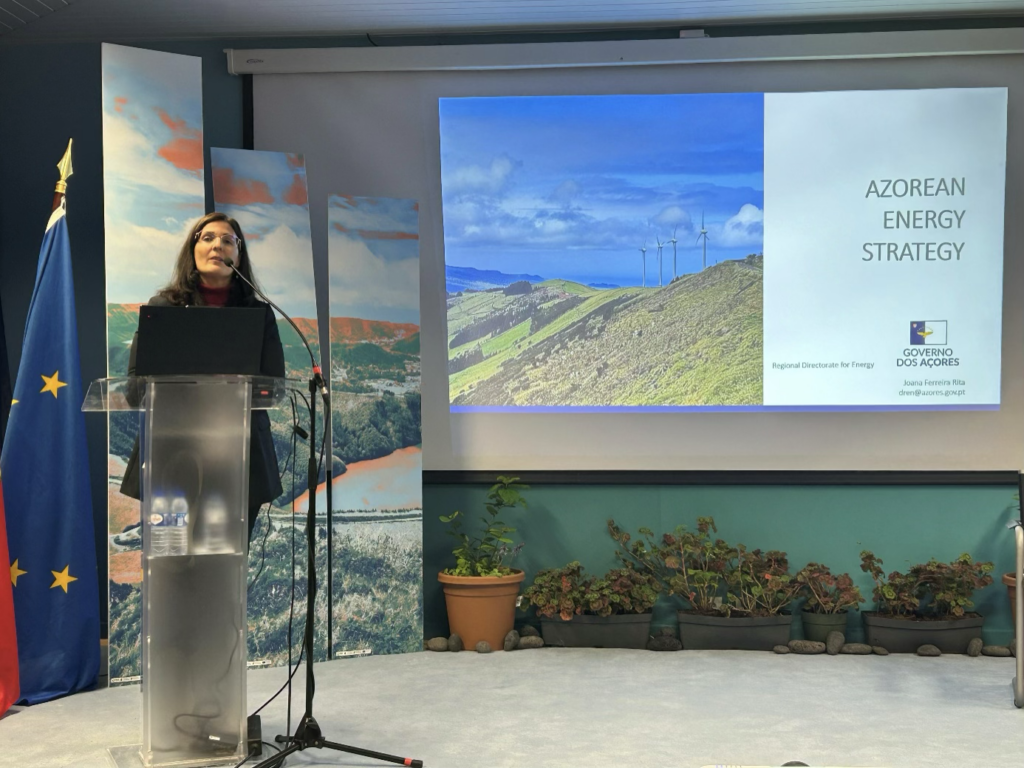
The presentations used examples from different sectors to explain how geothermal heat can become a practical tool for the decarbonisation of the local economy. The example of Formaggerie Toscane from Italy presented the potential of dairy industry applications, while the presentation by FLORAMIATA highlighted the role of geothermal energy in agricultural use, in particular from the perspective of agricultural production and greenhouse solutions. EIHP presented the opportunities and challenges of geothermal use for heating through Croatian experience.
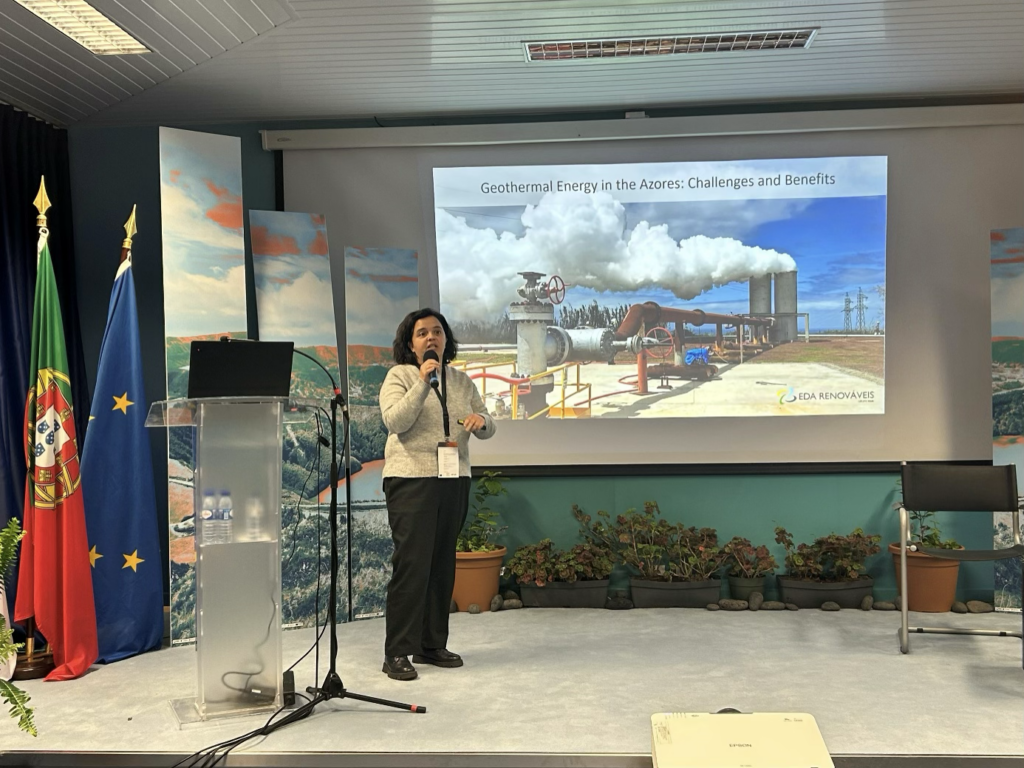
This was followed by a round-table discussion entitled “Azores Islands Geothermal Energy in a Glance”, which focused on the renewable energy strategy of the Azores and the islands’ experience in geothermal electricity production. The Energy Department of the Government of the Azores presented the region’s renewable energy development directions, while EDA Renováveis S.A. provided an overview of practical experience in geothermal electricity production. The presentations were followed by an active professional discussion, during which participants exchanged views on the opportunities for the direct use of geothermal energy, the specific features of island energy systems, local industrial needs and the conditions for replication.
The study visit contributed to a better understanding within the project partnership of the geothermal ecosystem of the Azores, as well as the practical needs and cooperation points that may be relevant for future business cases, policy recommendations and I3-based investment concepts.
The GREETGeo project is funded by the European Innovation Council and SMEs Executive Agency (EISMEA) under the Interregional Innovation Investments (I3) Instrument.