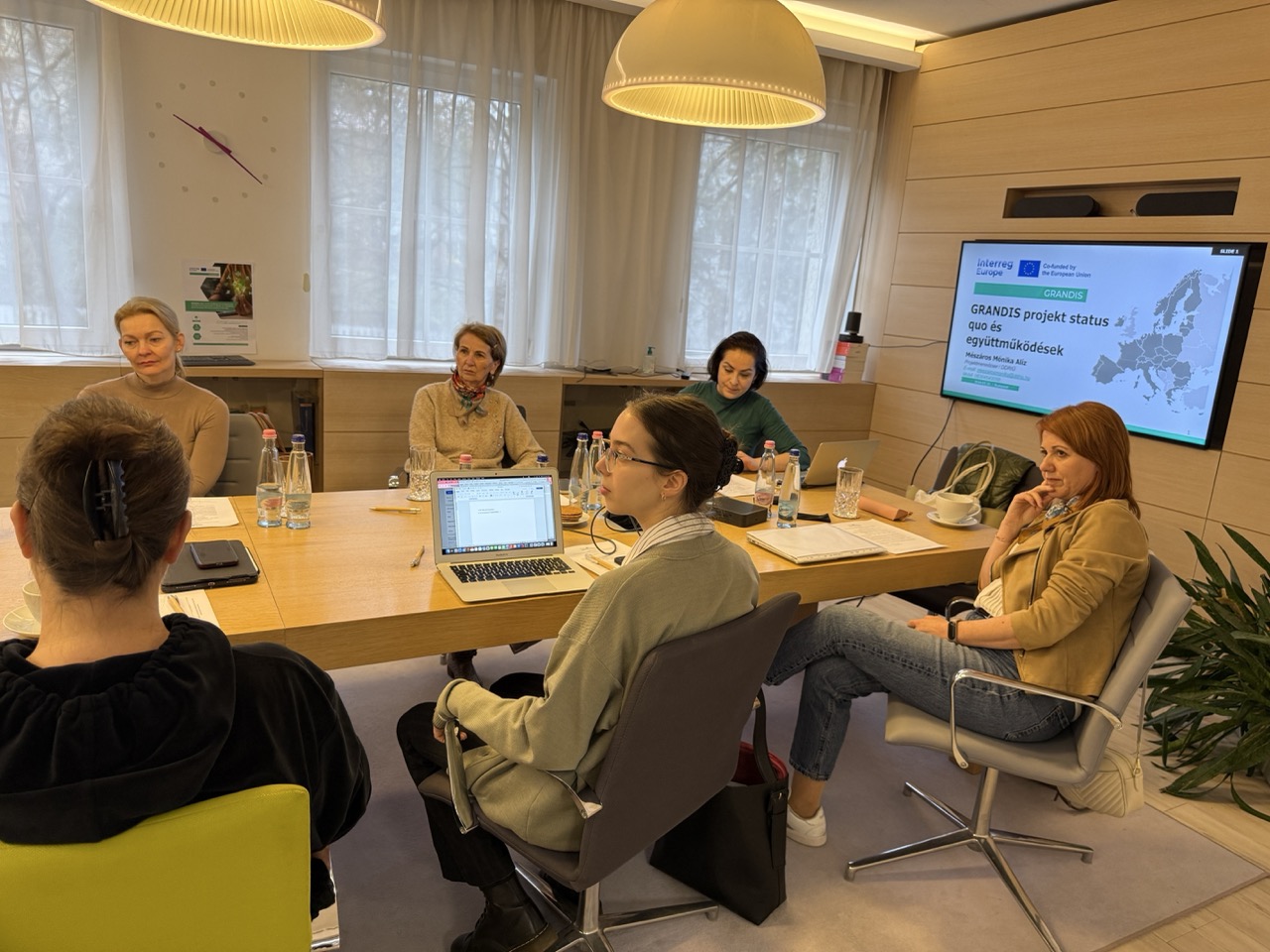
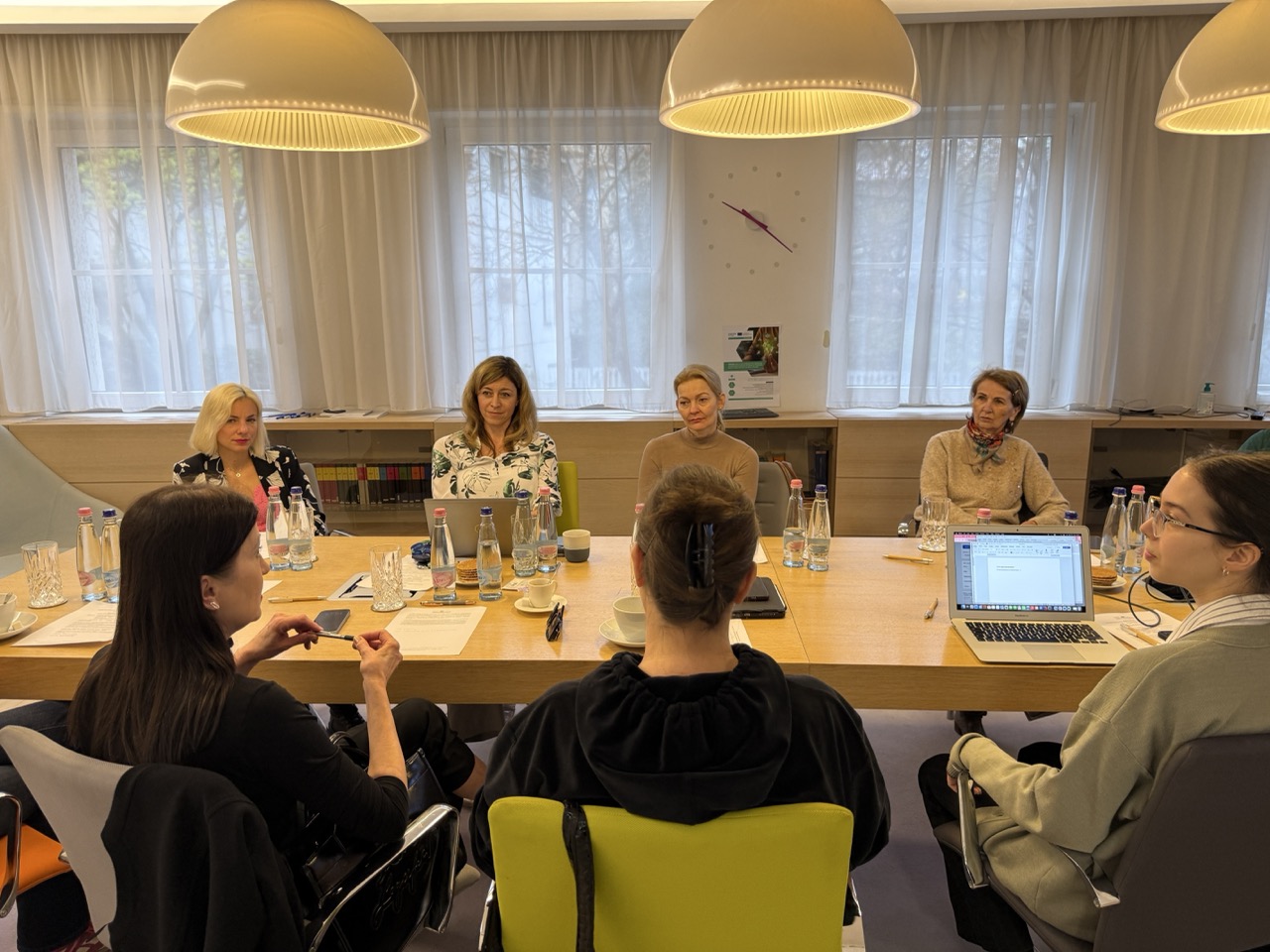
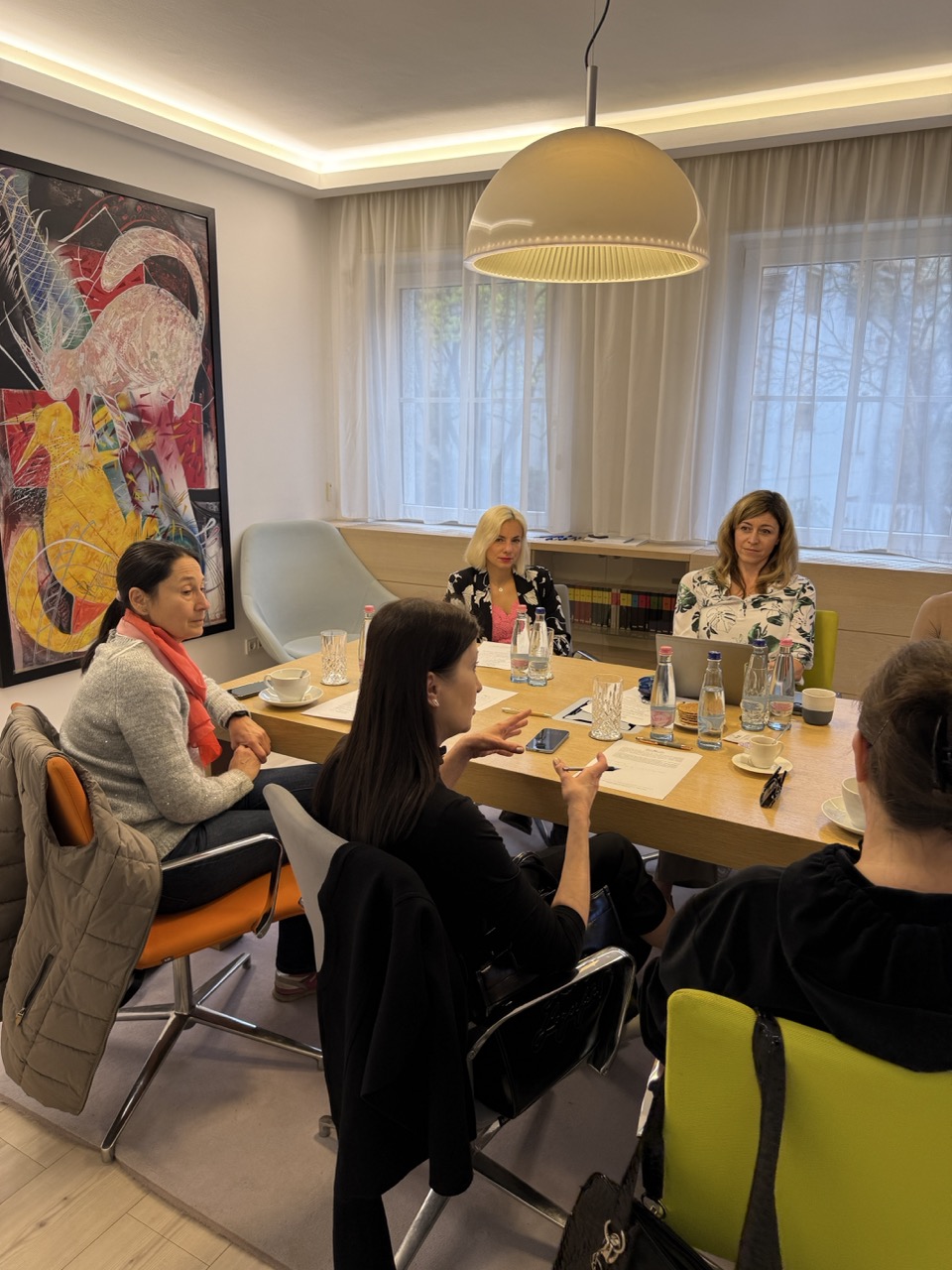
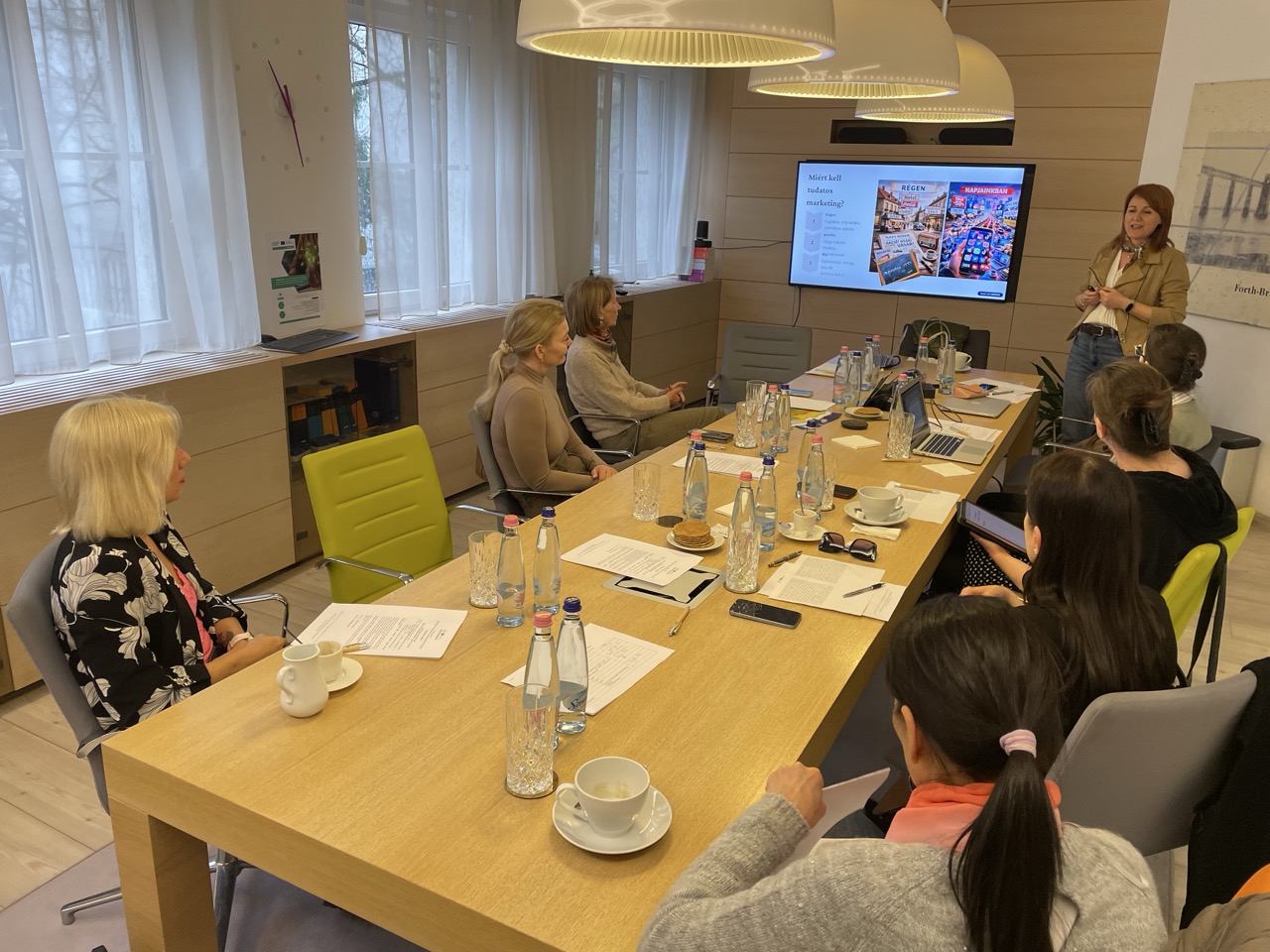
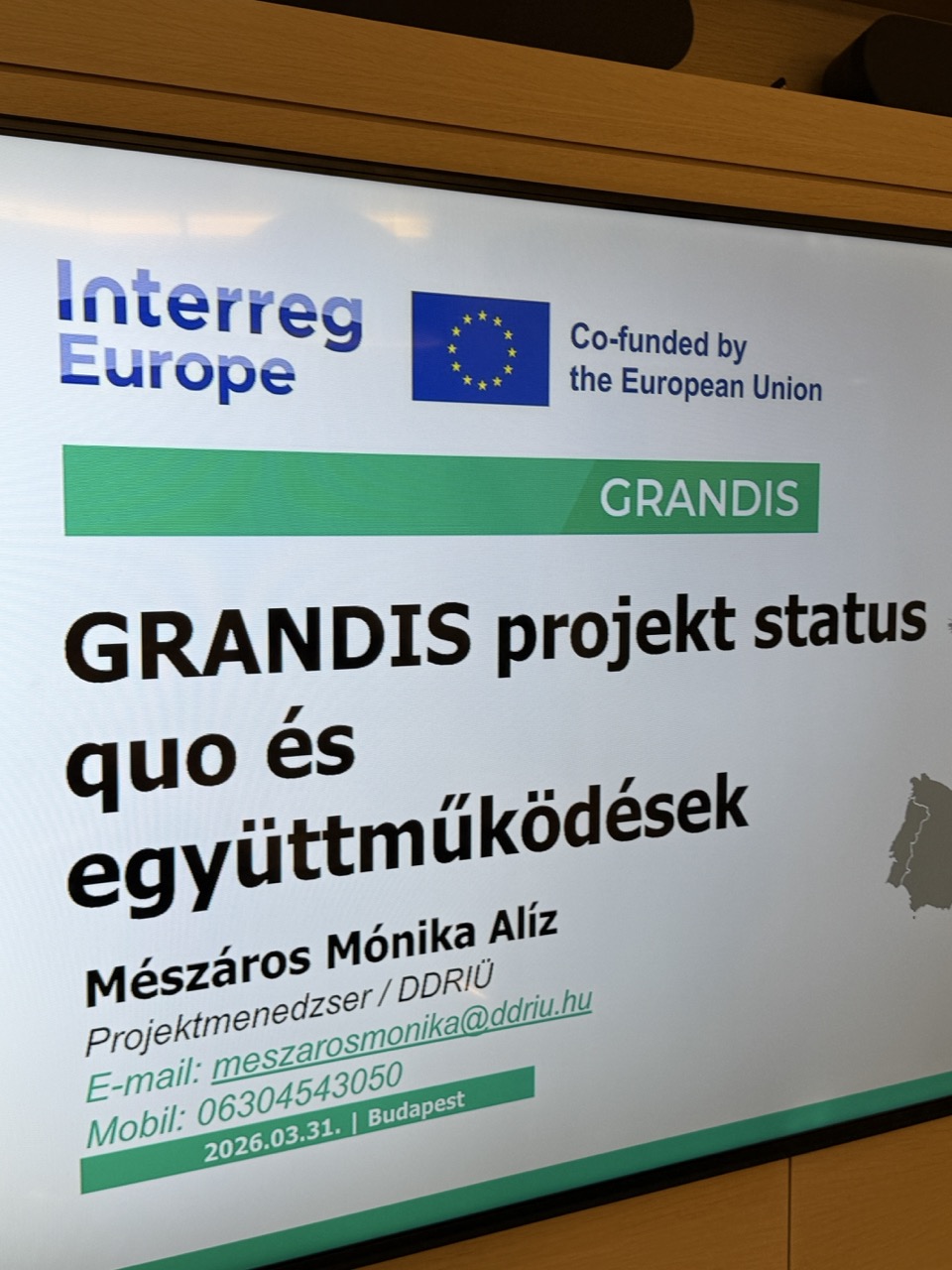
The 4th local stakeholder meeting of the Interreg Europe GRANDIS project took place on 31 March 2026, in Budapest, organised by consortium leader STRIA and hosted by the Blue Planet Foundation. The event brought together stakeholders from female SME leaders, civil society representatives, and institutions to advance dialogue on the project development and the twin transition.
During the meeting, the representative from STRIA highlighted key developments since the previous national stakeholder meeting. Among the main topics were insights from the 4th Interregional Meeting in Zarasai, Lithuania; progress on Hungary’s second Good Practice; and upcoming staff exchanges with partners in Lithuania and Ireland. Participants were also informed about the forthcoming interregional meeting in Heraklion, Greece, and the next national stakeholder meeting scheduled for September. A central initiative discussed was the pilot action, which will adapt and test a Good Practice from another region within Hungary’s policy framework.
A core element of the event was the “Prototyping Ideas” workshop, applying Design Thinking methodology. Building on earlier sessions focused on empathy thinking, challenge mapping, and ideation, participants collaboratively explored how identified policy challenges could be translated into actionable solutions. Discussions centred on the transferability of international good practices, associated risks, and conditions for successful implementation in Hungary.
Key conclusions underscored structural gaps in the female-entrepreneurship ecosystem: while entrepreneurship training is widely available for beginners, advanced-level development opportunities remain limited. Additionally, despite a high number of support organisations for women entrepreneurs, coordination across these actors is insufficient.
The meeting concluded with a practical presentation by the communication expert of STRIA on the use of AI tools in SME marketing, followed by a networking lunch that fostered further collaboration and partnership-building for the future of twin transition in Hungary.
 The project is co-funded by the European Union and the Hungarian State within the Interreg Europe Programme.