The PROMOTER Interreg Europe project is implementing interregional exchange of experiences in order to promote the greening of the transport in the concerned settlements and regions. Linked to that, it supports local generaton of energy and its local consumptionas well.
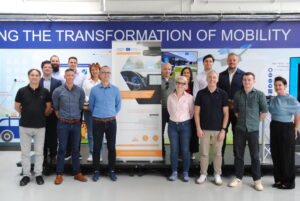
From March 2024, the project focuses on study visits aimed at learning about Good Practices on site. The sixth such event took place in the Murcia region of Spain between 5-7 November 2024, organized by the Federation of Municipalities of the Region of Murcia. Our host, the Spanish federation oflLocal governments, which brings together 45 municipalities, also celebrates its 40th anniversary in 2024. Accordingly, the opening event of the study visit was attended by a number of prestigious Murcian politicians.
The first day began with a presentation of the Transport Master Plan for the Region of Murcia, a policy instrument targeted by the PROMOTER project. The plan prioritizes public transport over individual mobility. It is based on a broad public-private partnership with 15 active actors. The plan also includes the regional plan for the metropolitan area of Murcia, which includes 10 municipalities and has a population of over 700,000. The keywords are: creating a new urban mobility plan, aligning transport supply and demand, introducing a new tariff system, using more significant development support, and rethinking public transport concessions.
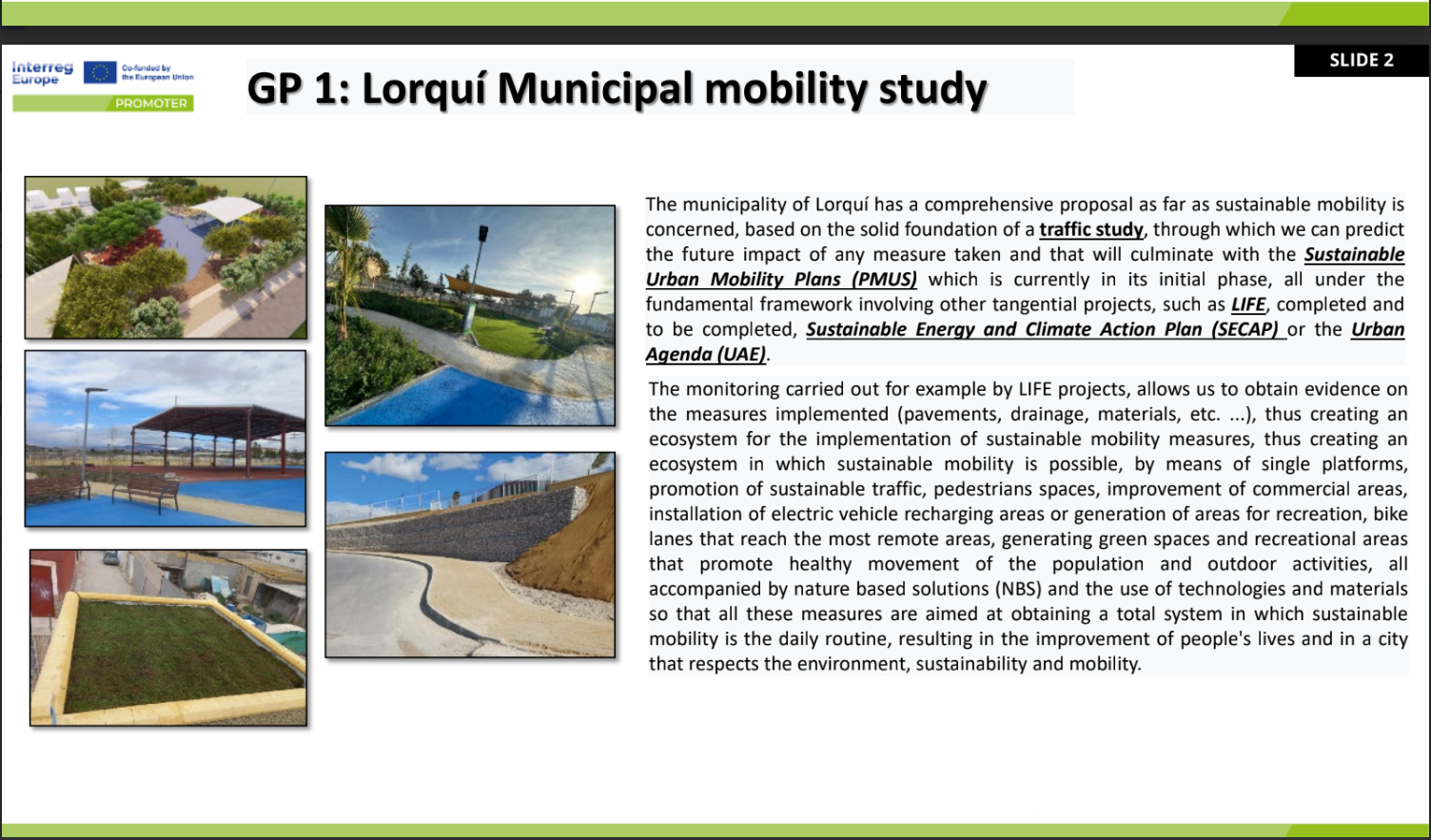
During the morning, we heard a presentation about the mobility study of the Municipality of Lorquí, which integrates local transport, the sustainable urban mobility plan, the local energy and climate plan, and also includes the Urban Agenda of the European Union. The complex project also includes the development of green infrastructure, conscious management of rainwater, and artificial grass solutions due to drought. It delivers all these by treating the aforementioned as part of a complex urban development platform of the municipality.
Our next stop was the Murcia Public Transport Centre, where we visited the Single Monitoring System of the city. This is an artificial intelligence and data-driven project that aims to improve public transport management, via traffic forecasts as well. The inhabitants of Murcia will access these services through websites and web applications. According to the developers, this will make the notion of the connected city a reality, providing a range of smart services to its residents. Transport, parking, electric bicycles, better visibility of public transport, a discount card system for inhabitants, mobility as a service are all components of this. This information will be freely available to local residents and is free of charge.
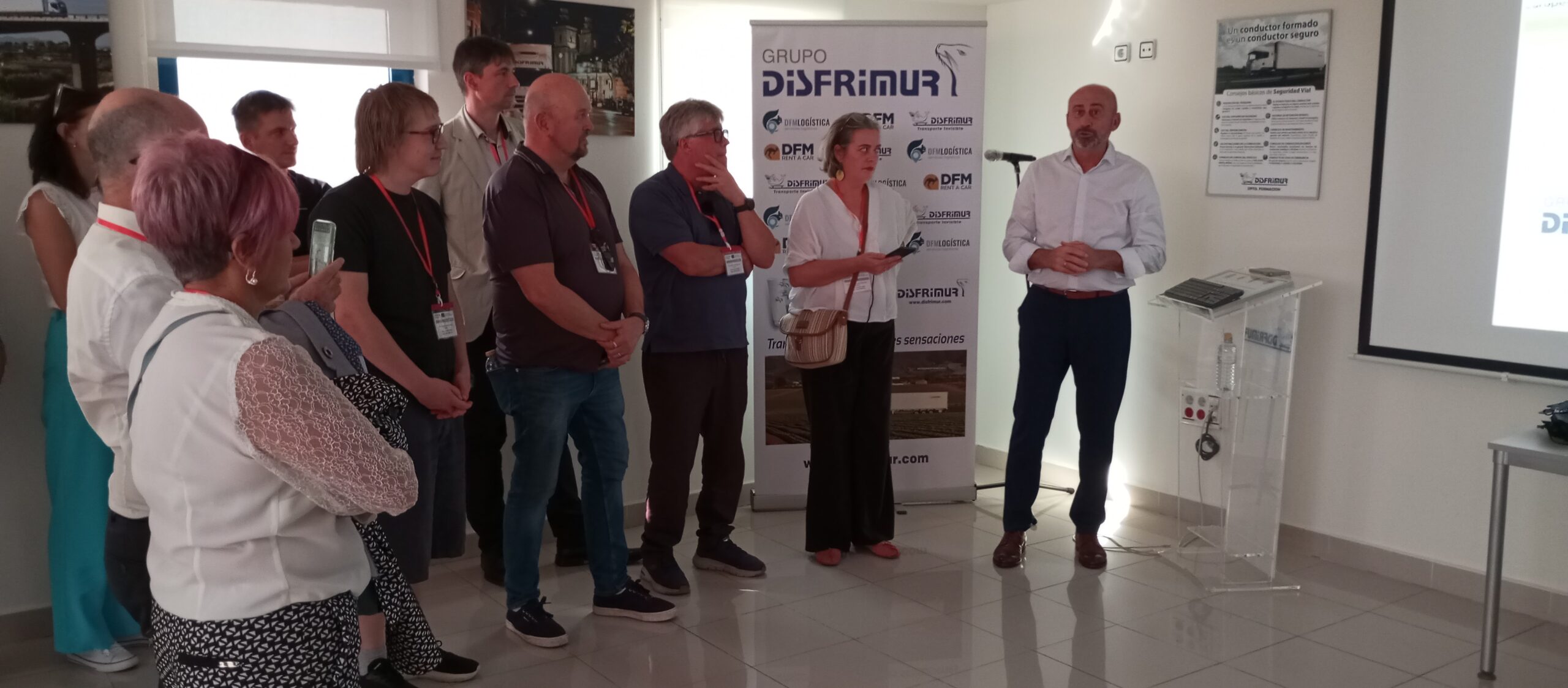
The afternoon program continued at the headquarters of a Spanish transport company, Disfrimur. The private company, which has a fleet of nearly a thousand road trucks, started using low-emission, liquid and compressed natural gas, biogas and electric-powered transport vehicles about ten years ago. One of the defining elements of the Good Practice is the business model built around it, which ensures profitable operation while using modern and, in many cases, expensive transport solutions.
The next day of the study tour, on 6 November 2024, we visited Bullas, a small town with a population of nearly 12,000. Its region is an important area of intensive agricultural production in Spain, with significant olive, grape and peach plantations. Since it is an area with relatively low added value, any initiative that adds to the living conditions of the population also has significant social benefits. In this context, mainly energy efficiency Good Practices formed the backbone of this part of the study tour.
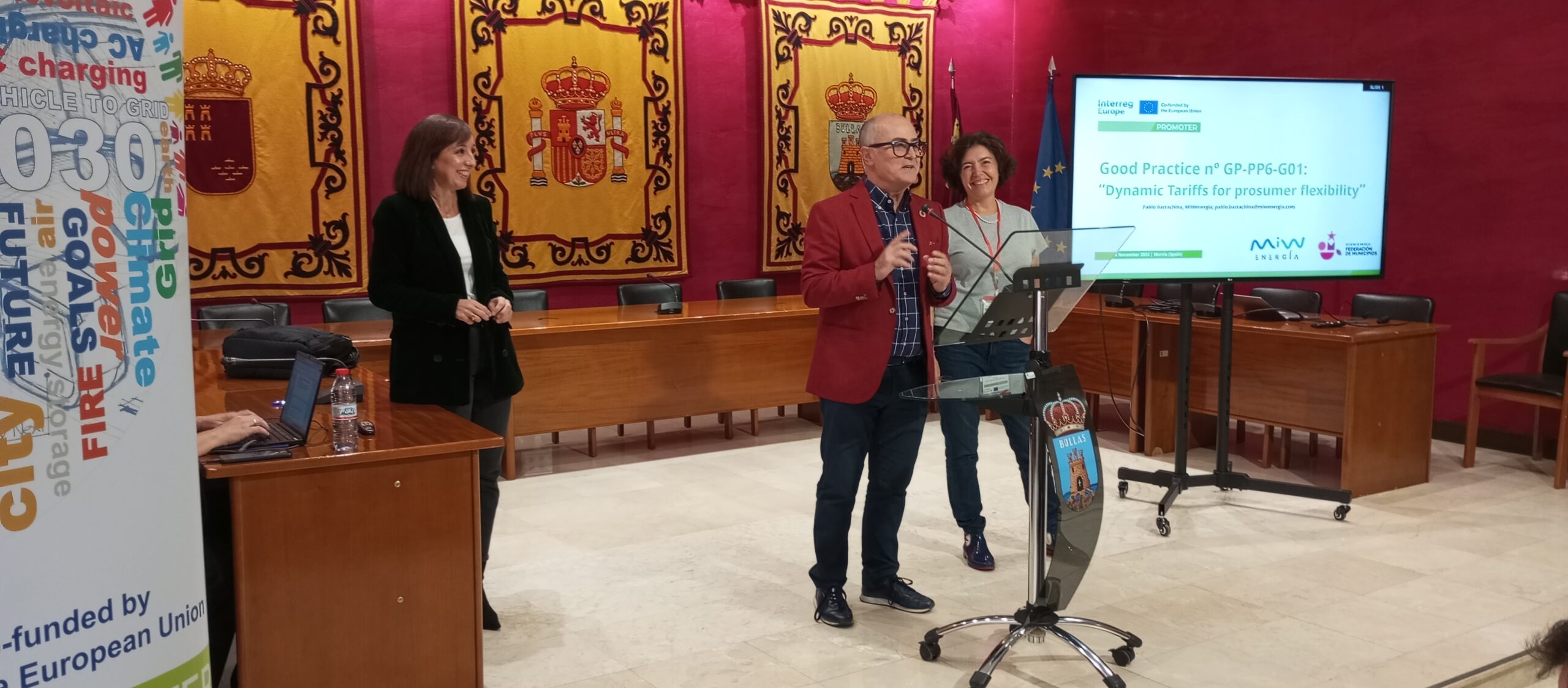
The first of these was the application of dynamic pricing for producer-consumers (prosumers). The internationally well-known solution provides the basis of the JOVEN FUTURA smart grid that is adapted to the time of day consumption and is also useful for the operation of the entire electrical distribution network. Instead of traditional fossil energy sources, the smart grid based on renewable, local electrical energy production serves both public institutions and residential users. The operation of the locally created energy community is also connected to the services of local energy provider using smart solutions.
The next Good Practice was also related to energy communities. In Spain, 79 projects received granst for the development of energy communities, four of those are being implemented in the Murcia region. The development of the energy communities involved also requires a comprehensive, multi-actor, awareness raising approach, which is practically what the Good Practice “Support centers for the promotion of energy communities” was about.
The final Spanish Good Practice of the day was the Bullas Energy Community. The project, which has been running since 2017, provides around 10% cheaper energy to public buildings and private homes in the city, which have created the energy community through a public-private partnership. The local school, social care centre and youth centre are all part of this initiative.
During the afternoon we visited the Bullas wine museum showcasing one of the oldest wine regions in the world, as well as the El Salto Del Usero natural park.
On the third day of the study visit, the PROMOTER partnership analyzed and evaluated the Good Practices seen, and reviewed the Interreg Europe expectations for the action plans based on those. During the meeting, we also defined the date of the next study tour, which will take place in Budapest on 11-12-13 March 2025.
Dóra Gyurkovics, project officer represented the Managing Authority of the Integrated Transport Development Operational Programme on the studyvisit to Spain. We would like to thank Dóra for her contribution!

The PROMOTER project is co-financed by the European Regional Development Fund and Hungary within the Interreg Europe Programme.