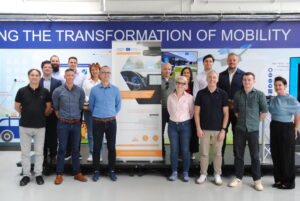
The PROMOTER project study tour in Italy took place in the counties of Livorno, Pisa and Grosseto between 27-29 May 2025, organized by the Province of Livorno.
May 26th, the first day – Livorno and Livorno county
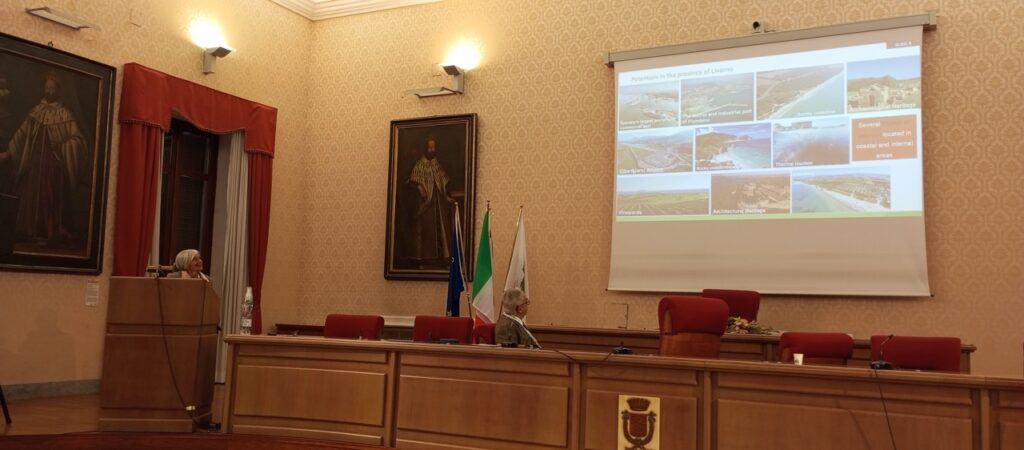
On the first day, the Tuscan colleagues presented their strategies and projects supporting green transport. The common feature was that the relevant developments should also contribute to mitigating the effects of climate change. Another particularity is that strategic planning, and programming based on it, and following those project development are also part of the given intervention. In this way, Province of Livorno carries out the development of the 19 municipalities within its territory.
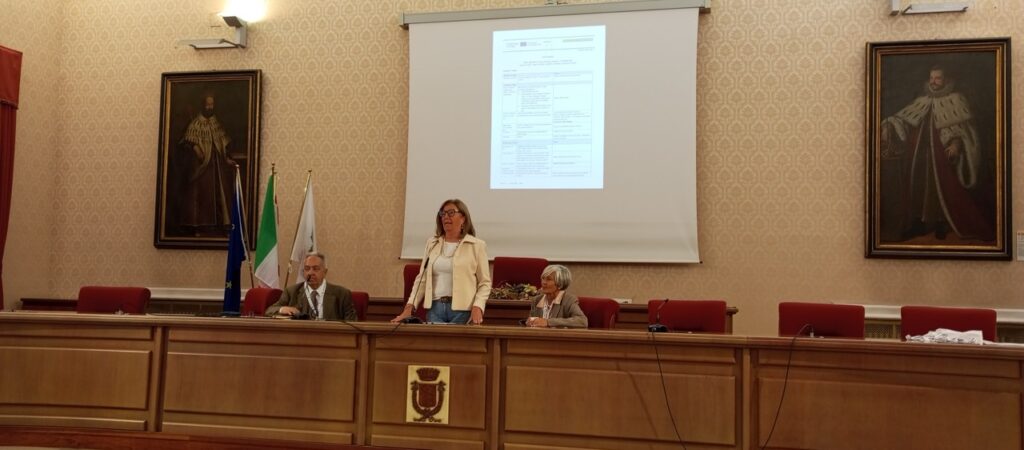
In this context, the Sustainable Urban Mobility Plan (SUMP) for the city and agglomeration of Livorno prioritizes serving the needs of tourism areas, taking into account local public transport, and also targets locally observable forms of micromobility. The SUMP of Livorno is a planning framework that also includes the related decision-making process and project development. The speaker on the topic primarily presented the planning process, which is still ongoing and will take about a year. Various good practices will also be adopted within the framework of the SUMP, in order to support its concrete implementation. Among the data required for planning, public transport data is available free of charge from local governments, data collection on the passengers using transport is subject to a fee, even in the form of a questionnaire, while regional/national passenger data is freely available. In addition, the necessary data can also be generated in the form of estimates using models built on certain conditions.
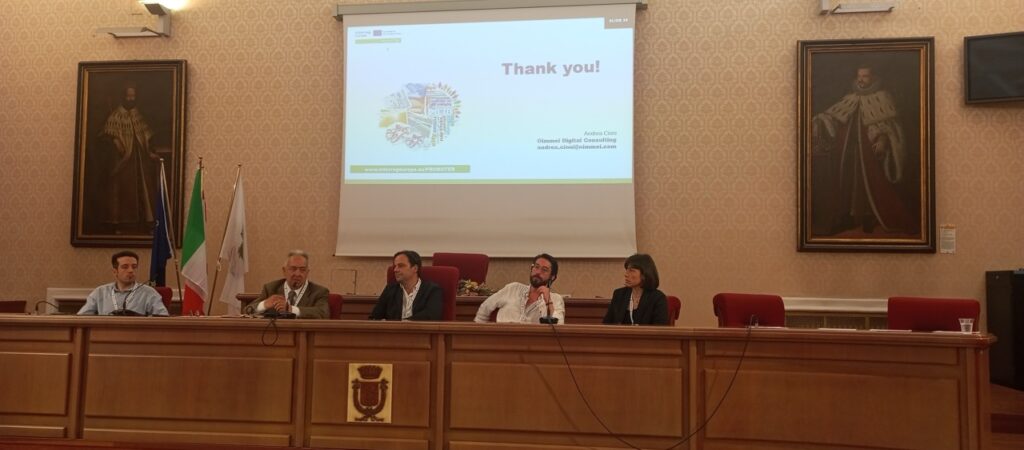
We were also introduced to a project using solar technology, and as part of that electric vehicle chargers were installed at 26 locations in Livorno. The interesting thing about this exercise was that the installation locations were selected taking into account noise, air pollution, land use characteristics, etc. indicators. However, the definition and use of funding sources required careful consideration.
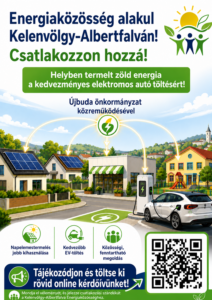
The new initiative of the province is called Green Communities. Its main objective is to improve mobility, that is, transport links, by ensuring better access to remote areas, rural centres and offshore islands. The Green Communities were created with the assistance of the Recovery and Resilience Facility, which provides 9 of the 16 Tuscan Green Communities with €4.3 million each to achieve their goals, through a call for applications.
The Province of Livorno Energy Community is a development that emerged from the exchange of experiences within the PROMOTER project. The project, which uses photovoltaic technology, will be implemented with 6 electricity generation substations with an installed capacity of 2.5 MW, capable of generating 2.66 GWh of annual output. Although the energy community has not yet been officially registered, its physical deployment has already taken place. The community is made up of a financial institution, an energy service company, small and medium-sized enterprises, local governments, citizens, and research institutes. The total cost of the investment was 2.48 million euros, which, according to preliminary calculations, will have a payback period of 6 years. The financial institution participating in the energy community also provided a 20-year bank loan for the project, and the installments are paid to the bank by the members who produce electricity.
We also got to know the project that provides public transport information and data to passengers or users. This enables integrated ticket management, sharing of parking information, and route planning. With the help of the “B On Time” application, timetable information is available on the bus, rail, boat, and bicycle transport options in Livrono county, and it is also possible to determine and track the position of your own car.
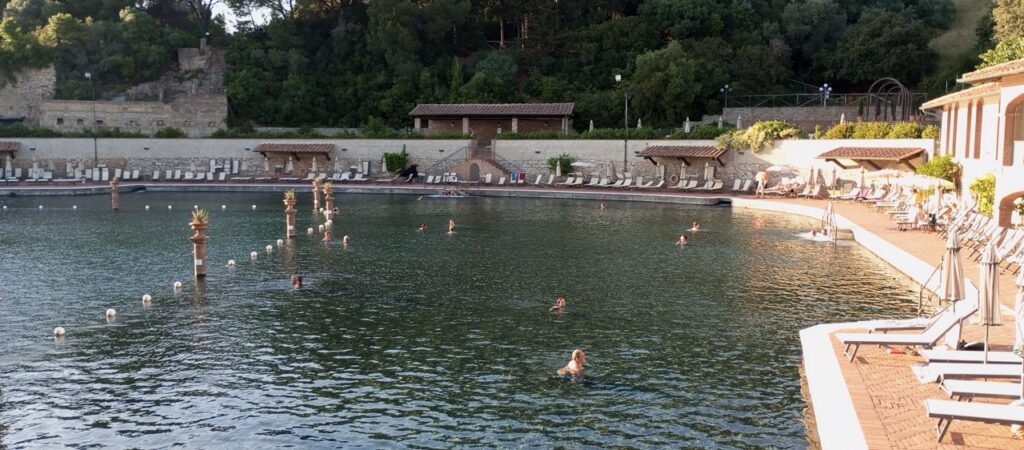
To end the first day, we refreshed ourselves at the “Calidario Terme Etrusche” spa in Venturina Terme.
May 28th, the second day – trip to the provinces of Pisa and Grosseto
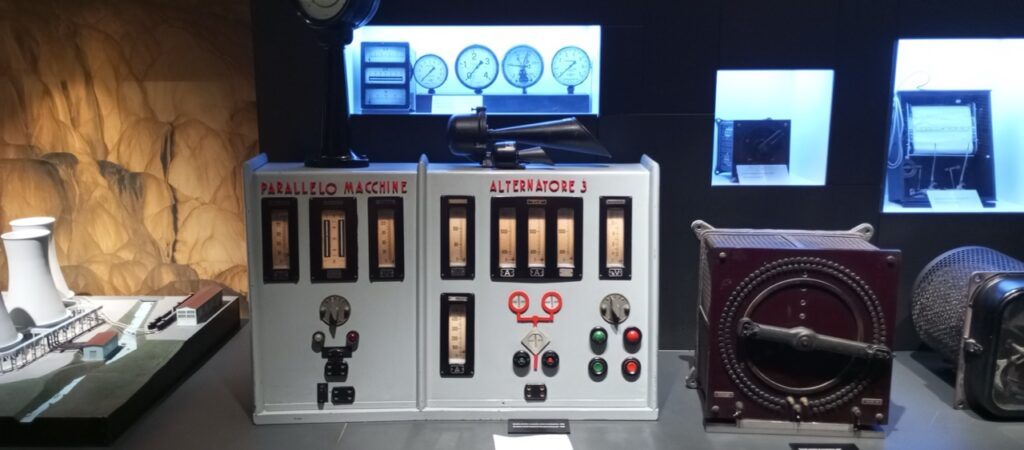
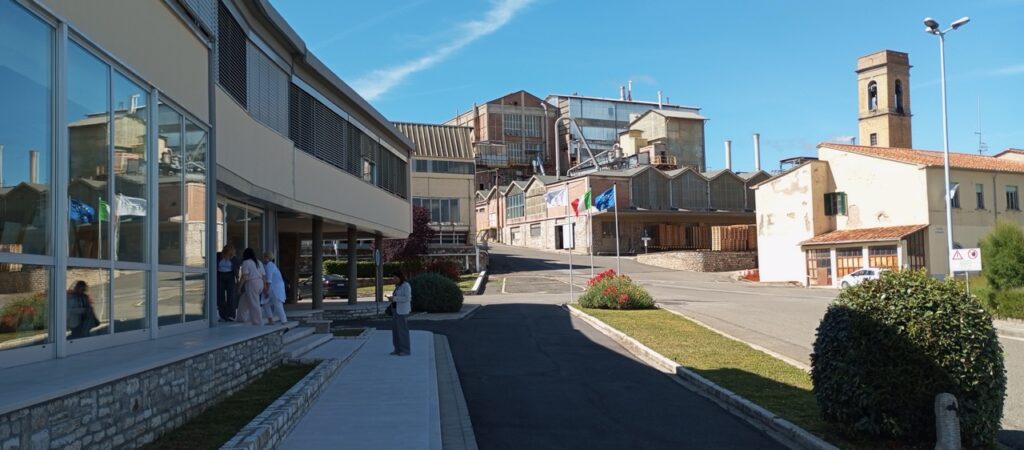
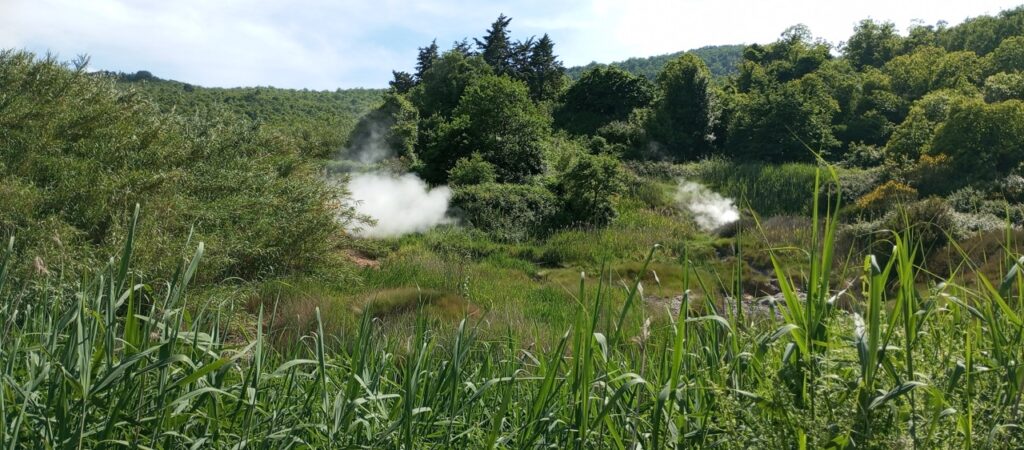
On the second day of the study tour, the participants gained insight into the operation of the world’s most integrated energy company, ENEL, in their geothermal energy business at the ENEL Green Power geothermal power plant in Larderello. The special feature of ENEL is that it combines energy production, energy distribution and the operation of the energy network required for the purpose, as well as implements all the necessary investments for all of on its own, as a part of a large multinational company. Near their Larderello plant, there are several active geothermal wells providing thermal water at temperatures higher than 200 degrees Celsius. In Larderello, they have been dealing with the utilization of thermal water since 1904, initially using 50 kW of installed capacity and today 916 MW of installed capacity. The company has 700 kilometers of district heating pipelines in Tuscany, while the number of employees working in Larderello is 700. The Green Power geothermal power plant supplies 37% of Tuscany’s electricity needs, while the same figure is 2% for Italy as a whole. The region is home to both the use of geothermal energy for district heating and for the production of electricity. In this spirit, we visited ENEL’s 16 MW installed capacity power plant generating electricity in Larderello and its operation during a site visit. From a continental perspective, ENEL is also one of the leading geothermal energy companies in Europe, competing with players from Norway and Germany. Finally, a good indicator of its international business relationships and interests is that the company has established the first geothermal power plant in South America in Cello Pabello, Chile.
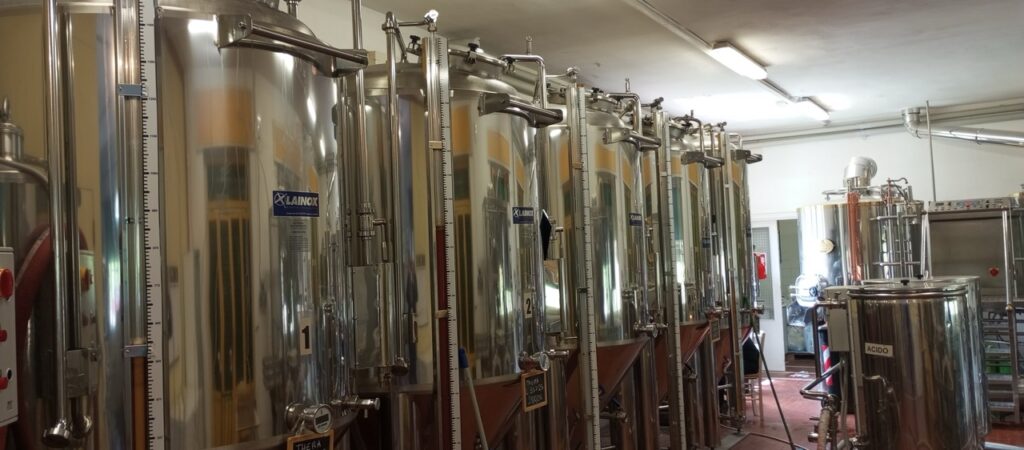
Continuing our journey, we visited a brewery that utilizes geothermal energy, Vapori di Birra. This small company from Sasso Pisano uses 230-degree hot steam purchased from ENEL, reduced to 130 degrees, to produce its beers based on a local recipe. The carbon footprint of the production process is also reduced by using a photovoltaic system.
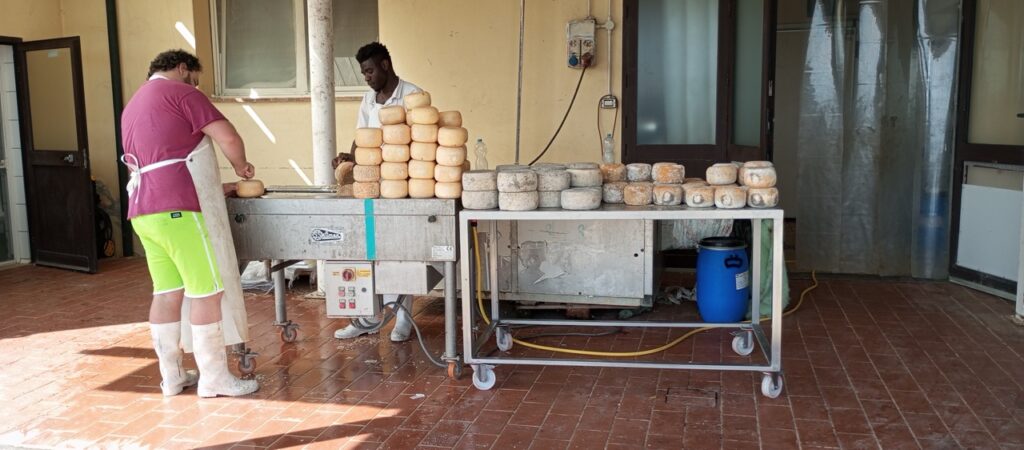
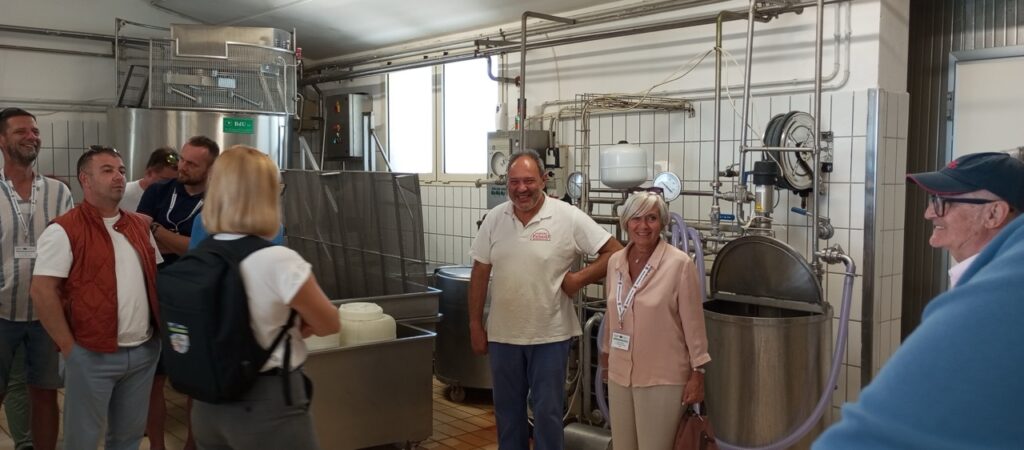
To close the second day, we got to know the operation of a sheep breeding and sheep cheese production farm located in the province of Grosseto. Podere Paterno produces a variety of hard cheeses on a manufacturing scale with its 1,000-strong Lacon (French breed of sheep). The farm is unique in that the farm’s energy supply (heating) is also supported by a nearby geothermal source and a solar system, making its operation largely carbon neutral. A significant part of Podere Paterno’s cheeses are sold on the local Tuscan market.
May 29th, the third day – again Larderello and Pomerance
On the third day, we learnt about Tuscan Good Practices and inspirations in two locations: in Larderello and Pomerance.
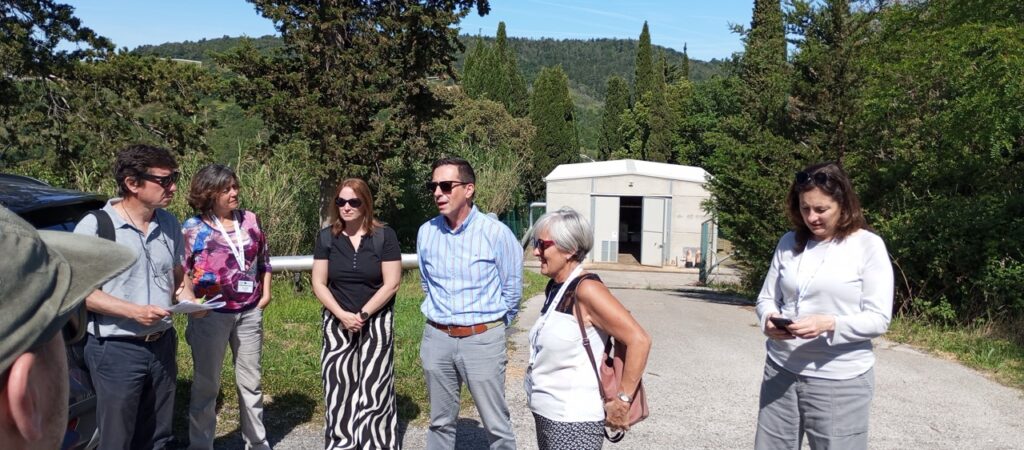
Larderello is rightly called the world center of geothermal energy. In the town, in the province of Pisa, the first district heating system of Larderello was established in 1959, which – as it is currently – converts and distributes geothermal energy purchased from ENEL to various end users. In the heat station we visited, the steam arriving at 120 degrees Celsius is converted into 80 degrees hot water, which then arrives at the place of use at a temperature of 60-65 degrees Celsius and is utilized there.
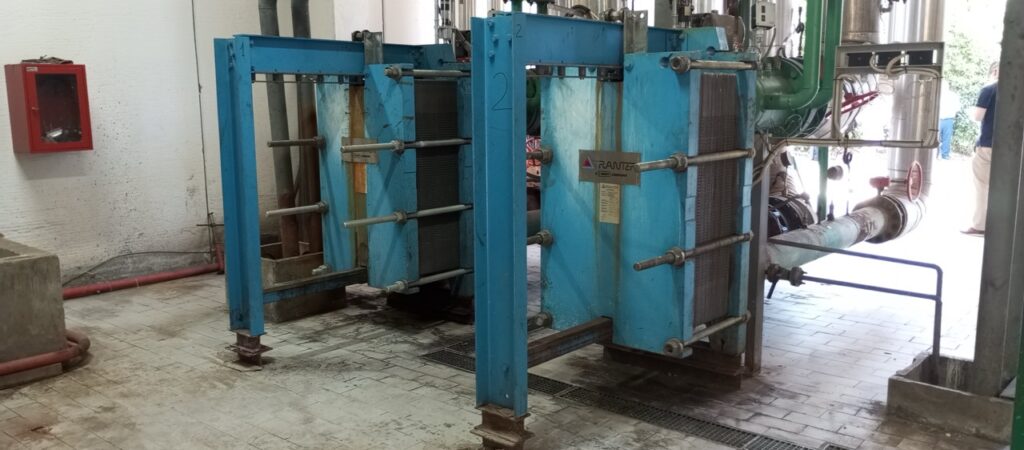
Hot water supplied by ENEL at 120 degrees Celsius is cooled to 80 degrees Celsius using heat exchangers in Pomerance (town in the province of Pisa with a population of 5,300), and is then used for industrial and domestic purposes. Another interesting feature of the town is that it is home to the first swimming pool with thermal water in Italy, and the fact that the entire settlement is heated by geothermal energy (district heating). The mayor of Pomerance gave a presentation on the history of the town and on the commitment of themunicipality for development.
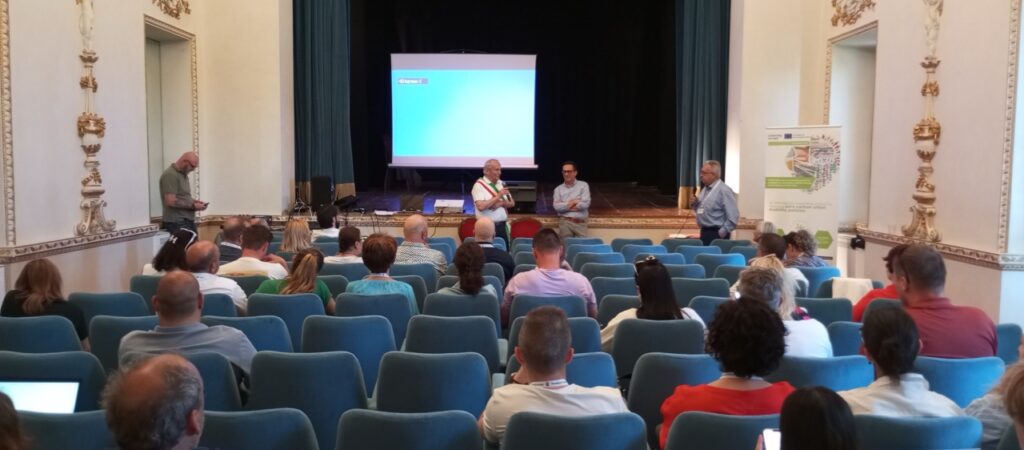
As it can be seen, the focus of the exchange of experiences on the last day was on district heating systems and heating solutions based on geothermal energy. Geo Energy Service S.P.A. is a municipally owned energy service company that provides various services related to geothermal energy to businesses, municipalities and households in 6 municipalities in Tuscany. It operates 14 district heating systems, with 20 distribution stations and a 110-kilometer district heating network. Their systems deliver 120 GWh of geothermal energy to end users annually. Geo Energy Service S.P.A. does not produce geothermal energy, but uses the hot water and steam produced in the ENEL power plants and operates district heating systems based ont hat resource.
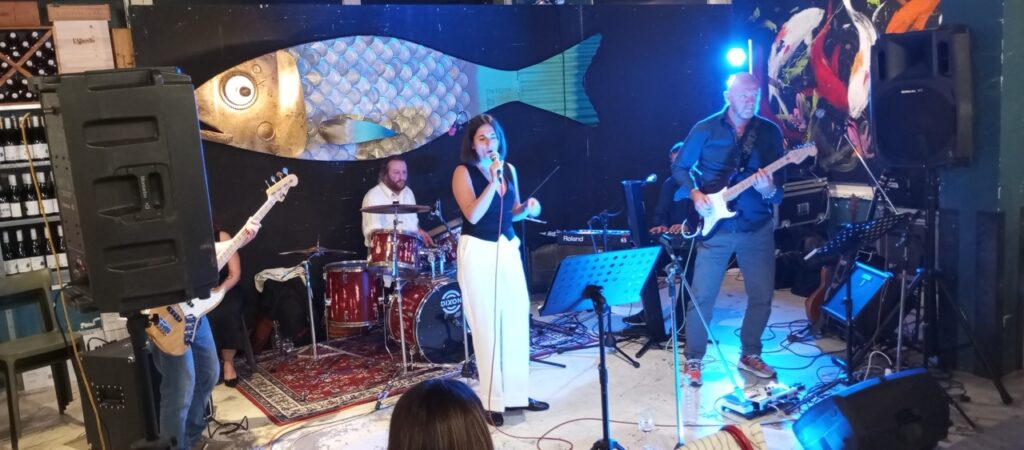
The evening of the third day as the study visit itself ended with a pleasant dinner in Livorno, where the “Black Sheep” band, which is also affiliated with our Province of Livorno hosts, performed its songs.
Last but not least, the Agency was assisted during the study tour by Szilvia Manyák, Coordination Officer of the Managing Authority of the Integrated Transport Operational Programme Plus. We would like to thank Szilvia for her active participation in the Tuscan programmes!

To sum up, we were able to participate in a study tour that closely and well aligned with the objectives of the PROMOTER project, for which we would like to thank the colleagues of the Province of Livorno for their kind hospitality and excellent organizational work!
More information on the PROMOTER project is available in English at: https://www.interregeurope.eu/promoter , https://www.ddriu.hu/en/promoter/

The PROMOTER Interreg Europe project is implemented by the co-financing of the European Regional Development Fund and Hungary.